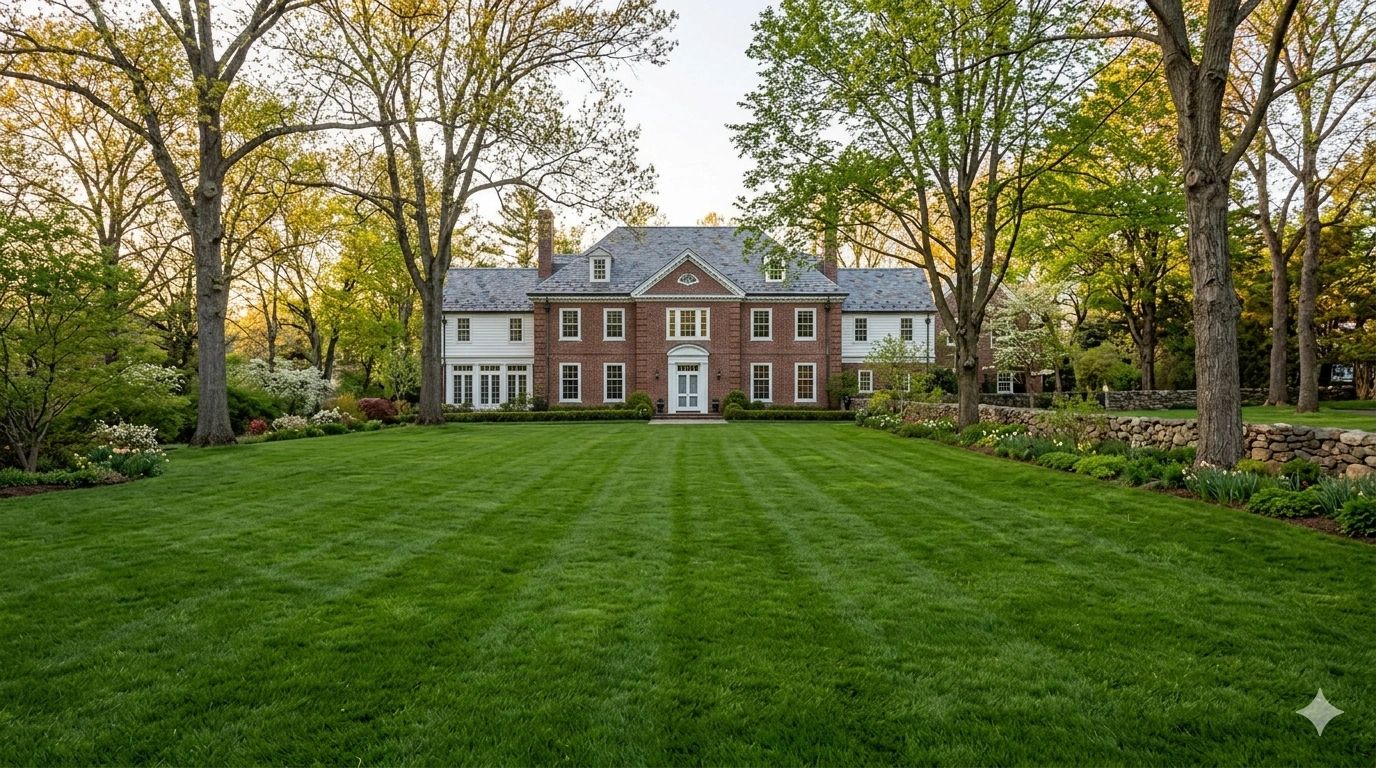
Premium markets covered in this guide
The Hartford County premium residential corridor is one of the most underrated estate markets in the Northeast. Outside Connecticut, the Greenwich and Westchester estate corridors get most of the attention. Inside Connecticut, Fairfield County dominates the conversation. But the Farmington Valley running northwest from West Hartford through Avon, Simsbury, Weatogue, Granby, Canton, and Burlington — combined with the Glastonbury Connecticut River Valley estate corridor on the east side of the river — represents a depth of premium residential character that rivals anything in the Northeast outside the coastal markets and the Hamptons.
This isn't new money. The Hartford County premium corridor is anchored by generations of insurance industry executive wealth, healthcare and financial services leadership, professional services partnerships, and the kind of multi-generational family wealth that built West Hartford's historic estate corridor along Mountain Road and produced the Farmington Valley country club estate culture across the Hop Meadow, Country Club of Farmington, and Avon Old Farms corridors. The Glastonbury Crystal Ridge estate market on the east side of the Connecticut River is frequently cited as the highest-end neighborhood in Greater Hartford. The Wethersfield historic district contains the largest concentration of pre-1850 homes in Connecticut.
For the homeowners, estate property managers, landscape architects, and contractors working across this market, sod selection isn't a casual decision. It's a 20-to-30-year commitment to a specific aesthetic, a specific maintenance investment, and a specific relationship between the lawn and the broader landscape character that defines premium Hartford County properties. Getting it right requires understanding both the cool-season variety landscape and the specific Hartford County conditions — soils, microclimates, country club estate culture, and the integrated estate corridor logic that landscape architects actually use when specifying for properties across this market.
This guide is the canonical reference for that decision-making process.
For broader Connecticut state-wide variety and regional context, see our complete Connecticut sod guide. For coastal Fairfield County estate properties, see our Westchester / Greenwich / Fairfield County guide. For the western Connecticut estate market, our Litchfield County estate corridor guide covers that adjacent premium market.
Properties along this corridor share characteristics: substantial lot sizes (often 2-10+ acres on the higher-end estates), established mature landscapes, country club proximity, and the multi-generational family ownership that produces 30-year landscape thinking.
Quick Answer Guide: Best Sod for Hartford County Premium Properties
What's the best sod for West Hartford historic estate properties along Mountain Road and the Reservoir corridor? Variety zoning typically delivers the best result. Kentucky Bluegrass for the open lawn zones with reliable irrigation, fine fescue blends under the substantial mature canopy that defines this corridor's character. Many West Hartford historic estate properties have century-old trees that produce conditions where Kentucky Bluegrass cannot establish — fine fescues are the only cool-season variety that performs reliably in those zones.
What's the best sod for Avon Talcott Mountain ridge properties? Black Beauty Tall Fescue and bluegrass-fescue blends typically outperform pure Kentucky Bluegrass on Talcott Mountain ridge properties because the rocky shallow topsoil drains faster than KBG prefers and the higher elevation produces somewhat more variable temperature swings. The deep root system of tall fescue handles these conditions reliably. Properties with established irrigation infrastructure can support Kentucky Bluegrass on the showcase areas.
What's the best sod for Simsbury and West Simsbury Farmington River valley properties? The valley floor properties along the Farmington River have substantial sandy alluvial soils that warm fast in spring and drain quickly. Kentucky Bluegrass performs well on these soils with consistent irrigation. Without irrigation, Black Beauty Tall Fescue or bluegrass-fescue blends are typically the better choice. Higher-elevation West Simsbury properties have more varied conditions and benefit from variety zoning.
What's the best sod for Glastonbury Crystal Ridge estate properties? Crystal Ridge estate properties typically have the irrigation infrastructure, soil depth, and maintenance investment that supports Kentucky Bluegrass at its highest performance level. The neighborhood's elevated position above the Connecticut River Valley provides the kind of premium estate character where Kentucky Bluegrass's refined aesthetic matches the broader landscape and architectural standards.
What's the best sod for South Glastonbury Connecticut River corridor estate properties? Estate properties along the Connecticut River have access to some of the most productive agricultural soils in Connecticut — premium loam topsoils that support exceptional sod establishment. Kentucky Bluegrass performs exceptionally well on these soils. Properties closer to the river floodplain may benefit from variety choices that handle periodic moisture fluctuation, where tall fescue varieties typically outperform Kentucky Bluegrass.
What's the best sod for Farmington country club estate properties? Kentucky Bluegrass remains the gold standard for the Farmington country club aesthetic. Properties surrounding the Country Club of Farmington and the broader Country Club Road corridor typically have the irrigation infrastructure, established landscape character, and refined aesthetic expectations that make KBG the appropriate specification. The country club estate culture across Hartford County influences variety expectations across the broader market.
What's the best sod for Wethersfield historic district properties? The historic district's substantial mature canopy and the established residential character typically justify fine fescue blend specifications for shaded areas and Kentucky Bluegrass or bluegrass-fescue blends for the open lawn zones. Many Wethersfield properties have substantial established topsoil from centuries of organic matter accumulation, which supports sod establishment well across all variety choices.
What's the best sod for active family properties across Hartford County? RTF (Rhizomatous Tall Fescue) combines tall fescue durability with self-repair through rhizomes that fills in damage from foot traffic and active use. The premier choice for Hartford County family properties with active children, dogs, kids running on the lawn, or the kind of substantial active family use that exceeds standard cool-season turf tolerance. See our most dog-resistant sod guide for properties with substantial dog activity.
What's the best sod for Canton, Collinsville, Burlington, and Granby premium properties? The northern Farmington Valley supports the full cool-season variety landscape with somewhat more rural character than the West Hartford / Avon core. Substantial mature canopy on many properties typically justifies fine fescue specifications for shaded zones, with Kentucky Bluegrass or tall fescue for open areas. Variety zoning across estate properties usually delivers the best result.
Should I consider variety zoning across my Hartford County estate property? Yes. Most premium Hartford County estate properties benefit from variety zoning that matches each variety to its optimal conditions across the property — Kentucky Bluegrass in the showcase entertainment and front lawn areas where irrigation is reliable, tall fescue or RTF in the play and active-use zones, fine fescue blends in the shaded transition zones under mature canopy, and possibly different specifications for transitional zones where front lawn meets woodland edge. Single-variety specifications across varied site conditions force compromise that estate-scale properties shouldn't accept.
The Hartford County Premium Market: A Different Kind of Wealth
Understanding Hartford County premium residential character requires understanding how it differs from Connecticut's other premium markets. This shapes variety selection and installation considerations in ways that generic regional sod advice doesn't capture.
Old-money traditional New England character. Hartford County premium residential character is fundamentally different from the new-money Hamptons or the institutional-money Greenwich. The wealth here is largely multi-generational — insurance industry executive families that have lived in the same Avon or West Hartford houses for three or four generations, healthcare leadership families, professional services partnership families, and the kind of family money that built the country club estate culture across the Farmington Valley starting in the late 19th century and continuing through the 20th.
This cultural reality shapes landscape expectations in ways that matter for sod selection. Premium Hartford County buyers typically expect refined traditional aesthetics — Kentucky Bluegrass on the showcase areas, mature canopy preserved, ornamental beds maintained at heritage standards, and the kind of multi-decade investment in landscape character that doesn't exist in markets with more transient ownership. The pressure to follow trends or chase whatever variety is popular this year is meaningfully lower in Hartford County than in newer-money markets.
The insurance industry executive culture. Hartford has been the insurance capital of America since the early 19th century. The Aetna, Travelers, Hartford Financial, MetLife, Cigna, and broader insurance and financial services leadership has produced generations of executive families whose primary residences are concentrated in West Hartford, Avon, Simsbury, and Glastonbury.
This buyer profile differs in specific ways from other premium markets:
The decision-making is typically slower and more deliberate. Insurance executive culture is risk-averse and process-oriented — these buyers research thoroughly, ask substantive questions, and make decisions based on quality and durability rather than aesthetic flash. The right pitch for a Greenwich hedge fund property owner (urgency, exclusivity, premium positioning) is exactly the wrong pitch for an Avon insurance executive who wants to understand the variety choice in detail and commit to a 30-year investment.
The maintenance horizon is longer. Insurance executive families that have owned the Avon house for 25 years and expect to own it for another 25 think about lawn quality across decades. Variety choice and installation quality matter substantively because the consequences play out over the family's continued ownership.
The aesthetic preferences are traditional. Refined Kentucky Bluegrass, mature canopy preserved, heritage landscape character maintained. The premium Hartford County market is not where novel low-mow no-mow native plant lawn alternatives are going to find substantial buyers.
The country club estate culture as the dominant aesthetic. Hartford County's country club concentration shapes premium residential expectations across the broader market. Hartford Golf Club in West Hartford, Country Club of Farmington, Avon Old Farms, Hop Meadow Country Club in Simsbury, Glastonbury Hills Country Club, and several others produce the kind of refined estate aesthetic that property owners across the broader premium market reference when thinking about their own landscapes.
Properties surrounding and within the country club corridors typically expect Kentucky Bluegrass specifications. The country club fairway aesthetic — dense, refined, deep green, fine-textured — is the canonical Hartford County estate lawn appearance. Properties further from the country club corridors still reference this aesthetic when making variety decisions.
The healthcare and professional services overlay. Beyond insurance, Hartford County includes substantial healthcare leadership (Hartford Hospital, Connecticut Children's, Saint Francis, the broader UConn Health and Hartford Healthcare network) and professional services partnerships (the major Hartford law firms, accounting firms, and consulting practices). This buyer profile largely overlaps with the insurance executive profile in terms of decision-making patterns and aesthetic preferences.
The Glastonbury executive corridor as a distinct market. Glastonbury — particularly the Crystal Ridge estate corridor and South Glastonbury along the Connecticut River — represents a somewhat distinct premium market. The Connecticut River views, the proximity to downtown Hartford via the river crossings, and the working farm preservation character along Hebron Avenue and Matson Hill Road create a market with character somewhat separate from the Farmington Valley estate corridor. Buyers here are often the same insurance and healthcare executive profile but with a preference for the river valley and more rural-feeling estate properties.
The Integrated Estate Corridor Logic
Hartford County functions as multiple integrated estate corridors that landscape architects, real estate professionals, and estate property managers think about as connected markets. Understanding these corridors shapes how sod work flows across the region.
The Farmington Valley estate corridor. West Hartford → Avon → Simsbury → Granby. This is the primary premium corridor running northwest from Hartford along Routes 44 and 10. Estate properties along this corridor share characteristics: substantial lot sizes (often 2-10+ acres on the higher-end estates), established mature landscapes, country club proximity, and the multi-generational family ownership that produces 30-year landscape thinking.
The corridor's varied geography matters for variety selection. The valley floor properties along the Farmington River have sandy alluvial soils that drain fast and warm quickly in spring. The higher-elevation properties on Talcott Mountain and the Avon ridge have rockier soils with shallower topsoil. The Simsbury and Granby properties further north have varied conditions across the broader town areas.
The Connecticut River Valley estate corridor. Glastonbury → South Glastonbury → Wethersfield → East Hartford. This corridor runs along the Connecticut River on the east side, with Glastonbury Crystal Ridge as the highest-end anchor and South Glastonbury along the river as the working farm preservation premium estate market. Properties along this corridor have access to some of the most productive agricultural soils in Connecticut and the kind of premium estate character that supports refined sod work.
The country club estate corridors. These overlay the geographic corridors with the cultural anchors that shape variety expectations. The Country Club Road corridor in Farmington / Avon, the Hopmeadow Street corridor through Simsbury (anchored by Hop Meadow Country Club), the Hartford Golf Club corridor in West Hartford, the Glastonbury Hills corridor — these aren't just landmarks but cultural anchors that define the premium estate aesthetic across the broader Hartford County market.
The historic district overlays. Old Wethersfield, Old Avon Village, the West Hartford historic estate corridor along Mountain Road and North Main Street, the historic Farmington village center — these historic district overlays add another layer to the premium market logic. Properties within or adjacent to historic districts typically have substantial mature canopy, refined landscape character, and aesthetic expectations that justify variety specifications matching the historic context.
The integrated corridor logic matters for sod work because estate property managers, landscape architects, and contractors working across these corridors think in connected markets. A landscape architect designing for an Avon property today will reference the Country Club of Farmington corridor next month, the Glastonbury Crystal Ridge job last year, and the Simsbury Hop Meadow property currently under design. The variety guidance, installation quality, and operational character of any single project propagates across the corridor's professional network.
The West Hartford Premium Residential Market
West Hartford itself is the urban anchor of the Hartford County premium corridor. Denser than the surrounding Farmington Valley towns, with substantial historic residential character, an active commercial center, and the kind of integrated urban-suburban premium market that other Connecticut markets don't quite replicate.
The historic estate corridor. Mountain Road, North Main Street north of the center, and the historic neighborhoods along Sedgwick Road, Outlook Avenue, Cumberland Road, Westmoreland Drive, and the surrounding streets contain some of the largest and most established residential properties in West Hartford. These are not new construction estates — many are early-to-mid 20th century mansions on substantial lots with mature landscape character that has been maintained for decades.
Variety considerations on the historic estate corridor:
The mature canopy is typically substantial. Century-old oaks, sugar maples, beeches, and other established trees produce conditions where Kentucky Bluegrass cannot establish in the deeply shaded zones — fine fescue blends are the only viable cool-season specification for those areas. Many historic estate properties have integrated lawn-and-canopy character where the relationship between sun-exposed lawn zones and shaded transition zones requires variety zoning rather than single-variety specifications.
The soil character is established. Most historic estate corridor properties have substantial topsoil depth from a century of organic matter accumulation. This supports sod establishment well across all variety choices, though specific properties may have compacted sub-areas from heavy foot traffic, equipment passage, or historic use patterns that benefit from soil amendment.
The aesthetic standards are high. Historic estate corridor buyers typically expect refined installation work — clean seam lines, proper edge work along ornamental beds and walkways, careful integration with established landscape features, and the kind of finish quality that matches the broader landscape character. This is not a market where sloppy seaming or rushed edge work survives buyer scrutiny.
The Reservoir and Westwood corridor. The neighborhoods around the West Hartford reservoirs and the Westwood Drive area include substantial premium residential properties on larger-than-typical lots with established landscape character. Properties in this corridor often have varied conditions across the property — open lawn zones, transitional canopy areas, and woodland edge zones near the reservoir or larger mature trees.
The Bishops Corner and northern West Hartford market. The neighborhoods along Albany Avenue, the Steele Road corridor, and the northern portions of town include both established premium residential and newer estate development. Soil conditions vary substantially across this corridor — some properties have substantial established topsoil, others have construction-era compacted soils that require substantial amendment before sod installation.
The Buena Vista, Highland Park, and central residential corridor. The premium residential corridor through the central portions of West Hartford supports refined sod work across a substantial residential base. Property characteristics vary — many established homes on smaller lots with mature landscape character, some larger estate properties, and the kind of varied residential character that supports the full variety landscape.
The southern West Hartford market. The neighborhoods south of West Hartford Center along Boulevard, the Trout Brook corridor, the Sedgwick Road south corridor, and the surrounding residential streets include both premium and broader residential properties. Soil and canopy character varies substantially.
The urban heat island effect. West Hartford's denser urban character produces measurable urban heat island effect — somewhat warmer summer temperatures, somewhat warmer overnight lows, and the kind of sustained heat stress on sun-exposed properties that affects cool-season sod performance. Properties facing afternoon sun exposure in West Hartford specifically may benefit from tall fescue varieties that handle heat stress better than pure Kentucky Bluegrass, or from variety specifications that incorporate heat-tolerant Kentucky Bluegrass cultivars in the bluegrass-fescue blend ratio.
The Avon Estate Corridor
Avon represents the highest concentration of premium estate properties in Hartford County outside the Glastonbury Crystal Ridge market. Avon residents joke that they make $375K and feel middle class — that observation captures something real about Avon's market character. The town's wealth concentration, school quality, and country club estate culture produce buyer expectations that influence variety specifications across the broader market.
The Talcott Mountain ridge properties. The estate properties along the higher elevations of Talcott Mountain — including the Avon Mountain corridor, the Old Mill Road area, Country Club Road, and the surrounding ridge properties — offer dramatic views, substantial lot sizes, and the kind of premium estate character that matches the highest-end residential markets in Connecticut.
Variety considerations on Talcott Mountain ridge properties are distinct:
The soils tend to be rockier and shallower than the Farmington Valley floor. Topsoil depth averages less than the 6+ inches that supports optimal Kentucky Bluegrass performance — many ridge properties have 3-4 inches of topsoil over fractured rock or compacted glacial till. This affects variety choice substantially. Tall fescue's deeper root system handles thinner topsoil better than Kentucky Bluegrass's shallower root structure. Bluegrass-fescue blends are often the right specification on ridge properties because they capture some KBG aesthetic while leveraging tall fescue's deeper rooting.
Drainage tends to be faster. Ridge properties drain quickly after rain events — water sheds rather than soaks. This produces both an advantage (less waterlogging risk) and a challenge (faster drying during summer heat stress). Variety choices with stronger drought tolerance (Black Beauty Tall Fescue, RTF, and tall fescue varieties generally) typically outperform pure Kentucky Bluegrass on ridge properties without robust irrigation.
The afternoon sun exposure on west-facing ridge properties produces substantial heat stress. The Avon ridge faces west — afternoon sun beats on these properties through the summer. Heat-tolerant variety specifications matter more here than on east-facing or shaded slopes.
The wind exposure is real. Ridge properties experience higher wind exposure than valley floor properties, which accelerates moisture loss and produces additional establishment stress on newly installed sod. Soil amendment to improve moisture retention and irrigation timing during establishment matter substantially.
The Avon Old Farms corridor. The historic Avon Old Farms estate market and the surrounding properties — including the Avon Old Farms School area, the properties along Old Farms Road, and the surrounding heritage estate corridor — represent some of the most established estate properties in the Farmington Valley. Substantial mature canopy, refined landscape character, and the kind of premium residential expectations that justify Kentucky Bluegrass specifications on properties with irrigation.
The Country Club of Farmington adjacency. Properties along Country Club Road in Farmington and the surrounding Avon premium residential corridor benefit from the country club estate aesthetic that influences variety expectations across the broader market. These are properties where the lawn is part of an integrated landscape that references the country club fairway aesthetic — Kentucky Bluegrass at its highest performance level is typically the appropriate specification.
The Farmington River corridor. Estate properties along the Farmington River through Avon, including the Nod Road corridor, the Tunxis Mead area, and the surrounding river corridor properties, have access to substantial water and the kind of premium estate character that supports refined sod work. The river valley microclimate produces somewhat warmer growing conditions and the alluvial soils support exceptional sod performance.
The broader Avon residential market. Beyond the estate corridor, Avon's broader residential market — particularly the newer development corridors along West Avon Road, Lovely Street, the Thompson Road area, and the surrounding suburban premium residential market — supports the full cool-season variety landscape with variety choice driven by specific property conditions.
The Simsbury and West Simsbury Premium Corridor
Simsbury — including West Simsbury and Weatogue, the highest-income village in Hartford County — represents the heart of the Farmington Valley estate corridor. The Simsbury premium market has distinctive character that affects variety selection.
The Weatogue estate corridor. Weatogue specifically — including the properties along Hopmeadow Street, Iron Horse Boulevard, Old Meadow Plain Road, and the surrounding Weatogue residential market — represents substantial concentration of premium residential and estate properties. The Weatogue market character is genuinely affluent without being ostentatious — Hartford County old money rather than new money display.
Variety considerations specific to Weatogue:
Many Weatogue properties have substantial mature canopy from the established residential character. Fine fescue blend specifications for shaded zones are typically appropriate. Open lawn areas support Kentucky Bluegrass with irrigation or Black Beauty Tall Fescue and bluegrass-fescue blends without irrigation.
The Farmington River valley microclimate produces somewhat warmer daytime conditions and cooler night air drainage that supports cool-season grass performance well. The varied elevation across Weatogue — from the river valley floor through the higher-elevation ridge properties — supports variety zoning where appropriate.
The West Simsbury estate market. West Simsbury sits on the western side of the Farmington River and includes substantial estate properties on larger lots with established landscape character. The properties along West Mountain Road, Bushy Hill Road, Nimrod Road, and the surrounding West Simsbury corridor support estate-scale sod work.
West Simsbury's character differs from the river valley floor in specific ways:
The elevation produces somewhat cooler summer conditions and somewhat colder winter conditions than the valley floor. This is generally favorable for cool-season grass performance, though winter cold tolerance becomes more important in variety selection. Kentucky Bluegrass's strong cold hardiness makes it well-suited for West Simsbury winter conditions.
The soils tend to be more varied than the valley floor — some properties have substantial topsoil depth, others have rockier or shallower soils. Site-specific evaluation matters more here than regional defaults.
The mature canopy is often substantial on the more established estate properties. Variety zoning across the property typically delivers the best result.
The Hopmeadow Country Club / Hop Meadow corridor. Properties along Hopmeadow Street through Simsbury, including the Hop Meadow Country Club corridor and the surrounding premium residential market, support the country club estate aesthetic that drives Kentucky Bluegrass specifications across the premium market. The Hop Meadow culture is genuinely traditional — refined, multi-generational, the kind of country club estate aesthetic that has shaped the Farmington Valley premium market character for nearly a century.
The Simsbury Farms recreational corridor. Properties surrounding the Simsbury Farms recreational complex and the broader Simsbury residential market support the full variety landscape with substantial active family use that often justifies tall fescue or RTF specifications.
The Talcott Mountain Ridge / Penwood overlay. The Penwood State Park and the surrounding ridge properties create a distinctive corridor along the eastern edge of Simsbury. Properties on this ridge share characteristics with the Avon Talcott Mountain ridge — rockier shallower soils, faster drainage, more challenging establishment conditions.
The Glastonbury Estate Corridor
Glastonbury represents the highest-end residential market in Greater Hartford on the east side of the Connecticut River. The Glastonbury premium market has its own distinctive character.
The Crystal Ridge estate corridor. Crystal Ridge — frequently cited as the highest-end residential neighborhood in Greater Hartford — includes substantial estate properties on larger lots with views across the Connecticut River Valley toward Hartford. The neighborhood's elevated position above the river and the substantial estate-scale lots create the kind of premium residential character where Kentucky Bluegrass at its highest performance level is the appropriate specification.
Variety considerations specific to Crystal Ridge:
The soils on the ridge are typically deeper and more developed than ridge properties in the Farmington Valley. Decades of established residential character produce topsoil depth that supports Kentucky Bluegrass exceptionally well. Many Crystal Ridge properties have the irrigation infrastructure, maintenance investment, and aesthetic priority that justifies pure KBG specifications.
The afternoon sun exposure on west-facing Crystal Ridge properties produces some heat stress. Heat-tolerant Kentucky Bluegrass cultivars — the Midnight family particularly — handle these conditions better than older KBG varieties. See our Midnight Kentucky Bluegrass guide for cultivar-level depth.
The premium aesthetic standards on Crystal Ridge match anywhere in Hartford County. Refined installation work is essential.
The South Glastonbury Connecticut River corridor. South Glastonbury along the river includes substantial estate properties, working farm preservation land, and the kind of premium residential character that supports refined sod work. The agricultural soils along the river valley are some of the most productive in Connecticut — premium loam topsoils with substantial organic matter and balanced texture that support exceptional sod establishment.
Variety considerations specific to the river corridor:
The Connecticut River Valley alluvial loam supports Kentucky Bluegrass at its highest performance level on properties with irrigation. The soil quality is genuinely exceptional — comparable to the best agricultural soils in New England.
Properties closer to the river floodplain may experience periodic moisture fluctuation during heavy rain events or spring flooding. Variety choices that handle moisture variation — tall fescue varieties particularly — typically outperform pure Kentucky Bluegrass in these specific zones.
The working farm preservation context produces a landscape aesthetic that values traditional refined character over showcase newer-development aesthetics. Kentucky Bluegrass and bluegrass-fescue blends typically match this aesthetic better than novel variety specifications.
The Glastonbury orchards corridor. The Glastonbury orchard country along Matson Hill Road, Hebron Avenue, and the surrounding agricultural-to-residential transition corridors includes substantial estate properties with mature landscape character. The orchard-and-residence integration creates landscape character that requires sympathetic variety treatment — refined enough to match the residential aesthetic, hardy enough to handle the working agricultural context.
The broader Glastonbury residential market. Beyond the estate corridor, Glastonbury's broader residential market — including the central Glastonbury residential corridor along Main Street and Hebron Avenue, the New London Turnpike corridor, and the surrounding suburban premium residential — supports the full variety landscape.
The Farmington Country Club Corridor
Farmington itself — particularly the Country Club of Farmington corridor and the surrounding premium residential market — supports refined estate-scale sod work. The Farmington premium market character is distinctively traditional.
The Country Club Road corridor. Properties along Country Club Road and the surrounding Farmington estate market — including the historic estate properties and the country club adjacent residential corridor — support the country club estate aesthetic that drives Kentucky Bluegrass specifications. This corridor represents perhaps the canonical Hartford County country club estate aesthetic — refined, traditional, multi-generational, the kind of landscape character that has defined the Farmington Valley premium market for over a century.
The Avon-adjacent Farmington corridor. The northern portions of Farmington adjacent to Avon support estate-scale residential character with variety expectations matching the broader Farmington Valley estate corridor.
The historic Farmington village corridor. Properties in and around the historic Farmington village center — including the properties along Main Street, High Street, Garden Street, and the surrounding historic residential corridor — support refined residential character with substantial mature canopy that often justifies fine fescue specifications for shaded areas.
The Unionville corridor. The Unionville section of Farmington — anchored by the Farmington River and the historic Unionville village character — represents an emerging premium market within Farmington with distinctive river valley character.
The Northern Farmington Valley: Canton, Collinsville, Burlington, Granby
The northern Farmington Valley supports substantial premium residential character with somewhat more rural framing than the West Hartford / Avon / Simsbury core.
Collinsville historic premium market. Collinsville's historic village character — anchored by the Collins Axe Factory historic district and the Farmington River — and the surrounding premium residential market support refined residential character with substantial established landscape. The Collinsville character is genuinely distinctive within Hartford County: smaller-town historic village feel with adjacency to the broader Farmington Valley premium corridor.
Canton estate properties. Canton's broader residential market includes substantial estate-scale properties along Cherry Brook Road, Lawton Road, Powder Mill Road, and the surrounding Canton premium corridor. The Canton character is more rural than Avon or Simsbury — substantial lot sizes, more woodland and open space, and the kind of country residential character that supports estate-scale sod work with appropriate variety choices.
Burlington premium residential. Burlington's residential market — including the properties along the Farmington River corridor, the Wildwood corridor, and the broader Burlington premium market — supports the full variety landscape with substantial active family use that often justifies tall fescue or RTF specifications.
Granby estate corridor. Granby's premium residential market — including the East Granby corridor, the Salmon Brook area, and the broader Granby premium market — supports estate-scale residential character with substantial mature landscape on many properties.
Variety considerations across the northern Farmington Valley:
This corridor typically has somewhat more rural character than the West Hartford / Avon core. Substantial mature canopy on many properties (fine fescue specifications for shaded areas), full sun exposure for Kentucky Bluegrass on open lawn areas, and the kind of varied conditions that support variety zoning across estate properties.
The soils tend to be somewhat more varied than the valley floor. Higher-elevation properties may have shallower or rockier soils. Site-specific evaluation matters substantially.
The Wethersfield Historic Premium Market
Wethersfield's Old Wethersfield district contains the largest concentration of pre-1850 homes in Connecticut, supporting a refined historic residential market that requires sympathetic landscape treatment.
Variety considerations specific to Wethersfield:
The historic district's substantial mature canopy and the established residential character typically justify fine fescue blend specifications for shaded areas and Kentucky Bluegrass or bluegrass-fescue blends for the open lawn zones.
Many Wethersfield properties have substantial established topsoil from centuries of organic matter accumulation. This supports sod establishment well across all variety choices.
The historic district aesthetic standards favor traditional refined variety choices. Novel low-maintenance variety specifications or unconventional aesthetic choices are generally inappropriate for the historic context.
Beyond the Old Wethersfield district, the broader Wethersfield residential market supports the full variety landscape with site-specific variety choice.
Hartford County Soils: The Canonical Reference
Hartford County's varied geography creates substantially different soil conditions across the premium corridor that affect sod establishment in ways generic regional advice doesn't capture. This section provides the canonical reference for Hartford County sod soil considerations.
The Farmington Valley alluvial corridor. The Farmington River through Avon, Simsbury, Granby, and into the broader Farmington Valley deposits substantial sandy alluvial soils that drain quickly and warm fast in spring.
Sandy alluvial soils have specific characteristics that affect sod establishment:
Drainage is rapid. Water moves through sandy alluvial soils quickly — minimal waterlogging risk, but accelerated drying during summer heat stress periods.
Spring warming is fast. The sandy texture warms faster than clay or loam soils, which means earlier active root growth in spring and a longer effective growing season at the margins.
Nutrient retention is limited. Sandy soils don't hold nutrients as effectively as loam or clay soils — fertility programs need to account for the leaching characteristics of sandy alluvial soils.
Organic matter content is typically low. Most sandy alluvial soils are deficient in organic matter, which affects moisture retention, soil biology, and long-term sod performance.
These soils typically benefit substantially from compost amendment before sod installation. Our guide to amending sandy soil with compost for sod installation covers the soil preparation that makes the difference on sandy sites — and the principles apply directly to Farmington Valley alluvial soil conditions.
Variety choice on sandy alluvial soils: Tall fescue varieties handle the rapid drainage well through their deeper root systems. Kentucky Bluegrass performs well with proper soil amendment and reliable irrigation. RTF is excellent on sandy soils because of its deeper rooting and self-repair characteristics.
The Glastonbury Connecticut River Valley loam. The Connecticut River Valley through Glastonbury and South Glastonbury includes some of the most productive agricultural soils in Connecticut — premium loam topsoils with balanced texture, substantial organic matter, and the kind of soil quality that supports exceptional sod performance.
These loam soils have specific advantages:
Drainage is appropriate — neither too fast (like sandy alluvial) nor too slow (like dense clay). The soil holds moisture without waterlogging.
Organic matter content is typically substantial. Centuries of agricultural use have developed productive soil biology that supports sod establishment exceptionally well.
Nutrient retention is strong. The loam texture holds fertility appropriately for sustained growth.
Spring warming is moderate. Not as fast as sandy soils, but appropriate for cool-season sod performance.
These are essentially ideal sod establishment soils. Most variety specifications perform well on Connecticut River Valley loam with appropriate site preparation. Kentucky Bluegrass at its highest performance level is well-supported by this soil quality.
The Talcott Mountain ridge and Avon ridge soils. The higher-elevation properties on Talcott Mountain and the Avon ridge have rockier soils with shallower topsoil depth — typically 3-4 inches over fractured rock or compacted glacial till.
These conditions affect sod establishment substantially:
Topsoil depth is often inadequate for optimal Kentucky Bluegrass performance. KBG performs best with 6+ inches of quality topsoil — ridge properties frequently have less than this.
Drainage is rapid. Water sheds quickly across ridge properties, which means both reduced waterlogging risk and accelerated summer drying.
Establishment can be challenging. The combination of shallow topsoil, rapid drainage, and elevated wind exposure makes establishment more demanding than valley floor or river corridor properties.
Variety choice on ridge properties: Tall fescue varieties typically outperform Kentucky Bluegrass because of the deeper root system that adapts to thinner topsoil. Bluegrass-fescue blends capture some KBG aesthetic while leveraging tall fescue's adaptability. Site preparation matters substantially — adding 2-4 inches of quality topsoil before installation transforms the establishment trajectory.
The West Hartford established residential corridor. Many West Hartford properties — particularly in the historic estate corridor and the established residential neighborhoods — have substantial established topsoil from decades of organic matter accumulation. Some properties have 12-18+ inches of quality topsoil developed through a century of residential lawn maintenance.
This soil character supports sod establishment exceptionally well across all variety choices. Kentucky Bluegrass at its highest performance level is well-supported. The only consideration is identifying properties where construction-era compacted soils underlie the surface topsoil — these properties may benefit from deeper soil amendment than the topsoil quality alone suggests.
The construction-era compacted soil challenge. Newer development properties across Hartford County — particularly in the developing corridors of West Hartford north of the historic core, the newer Avon developments, the Glastonbury suburban expansion areas, and the broader newer-construction premium residential market — frequently have construction-era compacted soils that affect sod establishment substantially.
Construction practices typically remove the original topsoil during site work, compact the underlying subsoil with heavy equipment, and add a thin layer of new topsoil before final landscaping. The resulting soil profile — 2-4 inches of imported topsoil over heavily compacted subsoil — produces specific sod establishment challenges.
These properties typically benefit from substantial soil amendment before installation. Our topsoil quality guide and topsoil depth guide cover the depth and quality considerations that determine establishment success.
The biological underpinning across all soil types. The biological underpinning of sod establishment matters across all Hartford County soil conditions. Our research-backed soil biology pieces cover the complete picture:
- Soil Biology and New Sod: Why Most Lawns Are Installed on Dead Soil — the underlying soil condition and what restoration actually requires
- Mycorrhizal Fungi and New Sod Rooting: The Complete Guide — the 450-million-year-old fungal partnership that determines establishment success
- Glomalin: The Soil Protein That Determines Lawn Health — the soil protein responsible for soil structure and water-holding capacity
- Humic Acid and New Sod Establishment — the carbon-rich amendment that supercharges sod rooting
- Biologically Active Starter Fertilizer for New Sod — the complete biology-first establishment framework
- Soil pH and Sod: A Complete Guide — getting the soil chemistry right before installation
Hartford County Microclimates and Installation Timing
Hartford County's inland location and varied geography create microclimates that affect installation timing in ways generic regional advice doesn't capture.
The continental climate context. Hartford County sits inland from the moderating influence of Long Island Sound. This produces a more continental climate than coastal Connecticut markets — colder winters, hotter summers, and more variable shoulder seasons. The harshness of the continental climate compresses the optimal installation windows compared to coastal markets.
The Farmington River valley microclimate. The Farmington River corridor through Avon, Simsbury, and Granby produces a distinct valley microclimate. Daytime temperatures during summer are somewhat warmer than the surrounding higher elevations because the valley floor traps heat. Overnight temperatures during summer drop somewhat further than the surrounding higher elevations because cool air drains down into the valley overnight.
The practical implications:
Spring soil warming in the river valley happens earlier than the surrounding higher elevations — Farmington Valley installations can typically begin 1-2 weeks earlier in April than ridge or higher-elevation properties.
Summer heat stress is more pronounced on valley floor properties without irrigation than on the cooler ridge properties. Variety choice for non-irrigated valley floor properties should weight heat tolerance more heavily.
Fall installation extends slightly longer in the river valley than on the surrounding ridges. The slightly milder valley conditions allow effective rooting somewhat later into October.
The Connecticut River Valley microclimate. The Connecticut River Valley through Glastonbury and Wethersfield produces its own distinctive microclimate — somewhat moderated by the river's thermal mass, somewhat warmed by the southern exposure of east-facing slopes, and somewhat extended growing season compared to higher-elevation Hartford County areas.
The Talcott Mountain and Avon ridge microclimate. The higher-elevation ridge properties experience cooler summer temperatures, colder winter temperatures, more wind exposure, and a somewhat compressed growing season compared to valley floor properties. Spring installation begins later, summer heat stress is somewhat less severe, fall installation ends earlier.
The West Hartford urban heat island. West Hartford's denser urban character produces measurable urban heat island effect — somewhat warmer summer temperatures, somewhat warmer overnight lows, and the kind of sustained heat stress on sun-exposed properties that affects cool-season sod performance somewhat more than the surrounding suburban or rural areas.
Optimal installation windows for Hartford County:
Early fall (mid-August through October): Typically the best window for new sod installations across Hartford County. Soil temperatures remain warm enough for active rooting through October, heat stress is minimal, and the lawn catches two full rooting seasons (fall and following spring) before facing first-summer stress. See our September sod installation guide and why fall is the best time for sod installation in CT/MA/NY.
Spring (April through mid-June): The second-best window. Active root growth begins immediately as soil temperatures climb through 50-65°F, though the lawn faces first-summer stress with a less-developed root system. Farmington Valley floor properties can typically begin earlier than ridge properties. See our spring sod installation guide and is April a good time to lay sod in New England.
Summer (mid-June through mid-August): Possible but requires intensive watering and careful timing. Hartford County's hot humid summers create substantial heat and moisture stress that challenges both establishment and crew comfort. Early-morning deliveries and same-day installation become critical. The West Hartford urban heat island and the Farmington Valley floor microclimate make summer installations particularly challenging on properties without robust irrigation.
Late fall (November) and winter: Generally avoided. Soil temperatures drop too low for meaningful rooting, and Hartford County's harsh winters challenge poorly-rooted sod. The continental climate's early winter onset makes Hartford County's effective installation window shorter than coastal Connecticut. See our guide on how late you can lay sod and how late you can install sod in Connecticut.
Aftercare for Hartford County Sod Installations
The first 30 days after installation are critical for long-term lawn quality. Hartford County's continental climate and varied microclimates create specific aftercare considerations.
Establishment watering specifics for Hartford County:
The Farmington Valley floor sandy alluvial soils require somewhat more frequent watering during establishment than loam soils because of the rapid drainage. Properties on these soils typically need 3-5 light watering events daily during the first 14 days rather than the 2-4 events typical of loam soils.
Glastonbury Connecticut River Valley loam soils support standard establishment watering protocols — 2-4 watering events daily for the first 14 days, transitioning to deeper less-frequent watering through weeks 3-4.
Talcott Mountain ridge properties with shallower topsoil and faster drainage need careful watering attention through establishment. The combination of shallow topsoil, rapid drainage, and ridge wind exposure produces faster moisture loss than valley floor properties.
West Hartford urban heat island conditions during summer establishment require more attention to watering timing. Early morning watering matters substantially — afternoon watering during heat stress periods produces evaporation losses and can stress newly installed sod.
Long-term maintenance considerations:
Hartford County's variable rainfall patterns make consistent irrigation important for premium variety performance. Properties without irrigation infrastructure should consider variety specifications that handle drought stress better than pure Kentucky Bluegrass.
Fertility programs for Hartford County should account for the soil characteristics. Sandy alluvial soils need more frequent fertility application because of the leaching characteristics. Connecticut River Valley loam soils retain fertility better. Compacted construction-era soils benefit from biological fertility programs that build soil biology over time.
Aeration matters substantially for Hartford County properties. Annual core aeration in fall or spring relieves compaction, improves moisture infiltration, and supports the deeper rooting that long-term lawn performance requires.
For complete aftercare guidance, see our research-backed pieces:
- New Sod Aftercare: First 14 Days Watering Guide
- What to Do the First 30 Days After Sod Installation
- How New Sod Roots: The Complete 12-Month Timeline
- What Fertilizer Should You Use on New Sod
- Best Fertilizer for New Sod
- When to Fertilize New Sod in New England
- Can I Walk on Freshly Laid Sod?
CT Sod Delivery and Installation Across Hartford County
CT Sod delivers fresh-cut Kentucky Bluegrass, Black Beauty Tall Fescue, RTF, fine fescue blends, and bluegrass-fescue blends across the entire Hartford County premium residential market.
Delivery and installation across Hartford County premium markets:
- West Hartford including the Mountain Road historic estate corridor, the Reservoir/Westwood corridor, the Bishops Corner and Steele Road area, the central residential corridor, and the southern Boulevard/Trout Brook corridor
- Avon including the Talcott Mountain ridge properties, the Avon Old Farms corridor, the Country Club of Farmington adjacency, the Farmington River corridor, and the broader Avon residential market
- Simsbury including West Simsbury, Weatogue, the Hopmeadow Country Club corridor, the Simsbury Farms area, and the broader Simsbury premium market
- Farmington including the Country Club Road corridor, the historic Farmington village, the Unionville section, and the Avon-adjacent corridor
- Glastonbury including Crystal Ridge, South Glastonbury, the Connecticut River corridor estate market, the orchards corridor, and the broader Glastonbury residential market
- Canton, Collinsville, Burlington, and Granby across the northern Farmington Valley premium corridor
- Wethersfield including the Old Wethersfield historic district and the broader Wethersfield premium market
- The broader Hartford County residential market including East Hartford, Manchester, South Windsor, Rocky Hill, and the surrounding Greater Hartford premium residential corridor
- Farm-cut sod harvested fresh for your specific delivery date
- All-terrain forklift placement on your property
- Same-day installation crews when needed
- Premium estate experience for refined Hartford County properties
- Up to 30,000 square feet installed in one day
- Honest variety guidance for your specific site conditions, soil character, and microclimate
Standard pricing structure across Hartford County:
- 1 pallet (500 sq ft): $699
- 600-1,000 sq ft: $0.90 per sq ft
- 1,100-2,000 sq ft: $0.75 per sq ft
- 2,100-3,900 sq ft: $0.70 per sq ft
- 4,000+ sq ft: $0.66 per sq ft
For broader cool-season variety context, see our complete guides to Kentucky Bluegrass, tall fescue, RTF, fine fescue blends, and Chewings fescue.
Frequently Asked Questions
How does the Connecticut River Valley microclimate affect sod establishment in Glastonbury?
The Connecticut River Valley produces a moderated microclimate compared to surrounding higher-elevation areas — somewhat warmer due to the river's thermal mass, somewhat extended growing season, and the kind of soil quality that supports exceptional sod establishment. Glastonbury Crystal Ridge and South Glastonbury properties typically support Kentucky Bluegrass at its highest performance level when paired with appropriate irrigation.
What's different about Avon's higher-elevation Talcott Mountain properties compared to the Farmington Valley floor?
The Talcott Mountain ridge properties have rockier shallower soils (typically 3-4 inches of topsoil over fractured rock or compacted glacial till), faster drainage, more wind exposure, somewhat cooler summer temperatures, and somewhat more challenging establishment conditions than valley floor properties. Tall fescue varieties typically outperform pure Kentucky Bluegrass on ridge properties because of the deeper root system that adapts to thinner topsoil.
How does the West Hartford urban heat island affect sod variety selection?
West Hartford's denser urban character produces measurable urban heat island effect — somewhat warmer summer temperatures, somewhat warmer overnight lows, and sustained heat stress on sun-exposed properties. Variety specifications that incorporate heat-tolerant Kentucky Bluegrass cultivars (the Midnight family particularly) or that include substantial tall fescue content typically outperform standard Kentucky Bluegrass on West Hartford properties facing afternoon sun exposure.
What's the best sod variety for West Hartford historic estate properties with mature canopy?
Fine fescue blends for the shaded zones with substantial Chewings fescue and hard fescue content. The Mountain Road historic estate corridor with century-old trees typically requires fine fescue specifications for areas under canopy. Open lawn zones support Kentucky Bluegrass with irrigation.
Can Kentucky Bluegrass perform without irrigation in Hartford County?
Kentucky Bluegrass will survive Hartford County summers without irrigation through dormancy — turning brown during heat stress and reviving with fall rains. However, the dormancy means the lawn may not maintain the dense green appearance that justifies choosing KBG in the first place. Properties without irrigation typically perform better with tall fescue or bluegrass-fescue blends. Hartford County's continental climate produces somewhat more pronounced summer heat stress than coastal Connecticut markets — irrigation matters more here than in markets moderated by Long Island Sound.
What's the best sod for Glastonbury properties along the Connecticut River?
Properties along the Connecticut River with the rich alluvial loam soils support exceptional Kentucky Bluegrass performance with appropriate irrigation. The Crystal Ridge estate corridor specifically supports the highest-end variety specifications. Properties closer to the river floodplain may benefit from variety choices that handle periodic moisture fluctuation — tall fescue varieties typically handle that better than Kentucky Bluegrass.
Are Avon and Simsbury soils similar to West Hartford soils?
Generally no. The Farmington Valley alluvial corridor through Avon and Simsbury includes substantial sandy alluvial soils that drain faster than typical West Hartford residential soils. West Hartford's older residential corridor has substantial established topsoil from decades of organic matter accumulation, while newer development areas across all three towns have construction-era compacted soils. Site-specific evaluation matters more than regional defaults.
Do Country Club estate properties require specific sod varieties?
Country club estate properties typically have established irrigation infrastructure and groundskeeping protocols that support Kentucky Bluegrass at its highest performance level. The country club estate aesthetic across the Country Club Road corridor in Farmington, the Hopmeadow corridor in Simsbury, the Hartford Golf Club corridor in West Hartford, and the Glastonbury Hills corridor typically justifies KBG specifications on properties that match the estate aesthetic and have the maintenance infrastructure to support pure bluegrass at peak performance.
How does the insurance industry executive culture affect Hartford County sod buying patterns?
Hartford County premium buyers — particularly the insurance, healthcare, and professional services executive families that constitute much of the premium market — typically expect thorough variety guidance, evidence-based recommendations, and the kind of long-term thinking that reflects multi-generational property ownership. The decision-making is typically slower and more deliberate than newer-money markets, with substantial value placed on durability, traditional aesthetics, and refined installation quality.
What's the minimum order size for Hartford County deliveries?
Standard Connecticut minimum is 1 pallet (500-600 sq ft). Most premium Hartford County estate projects substantially exceed this minimum.
Should I consider variety zoning across my Hartford County estate property?
Yes — particularly for premium estate properties with varied conditions across multiple acres. Most premium Farmington Valley and West Hartford estate properties benefit from variety zoning that matches each variety to its optimal conditions: Kentucky Bluegrass in the showcase entertainment and front lawn areas where irrigation is reliable, tall fescue or RTF in the play and active-use zones, fine fescue blends in the shaded transition zones under mature canopy. Single-variety specifications across varied site conditions force compromise that estate-scale properties shouldn't accept.
Do you handle multi-acre estate installations across Hartford County?
Yes. CT Sod handles up to 30,000 square feet per day on prepped sites. Multi-acre estate projects typically require multi-day delivery coordination and dedicated installation crews — our team handles the logistics across the full Hartford County premium corridor including the Farmington Valley estate corridor, the Glastonbury Connecticut River Valley estate market, and the broader country club estate culture.
How does Hartford County installation timing differ from coastal Connecticut?
Hartford County's continental climate produces a somewhat more compressed installation window than coastal Connecticut. Spring soil warming begins somewhat later (mid-to-late April rather than early April), summer heat stress is somewhat more pronounced (particularly in West Hartford urban heat island and Farmington Valley floor microclimates), and fall installation ends somewhat earlier (mid-October rather than late October) due to earlier first-frost risk inland. These timing differences matter at the margins for variety choice and project planning.
A Final Note on the Hartford County Premium Sod Market
The Hartford County premium residential corridor represents a depth of estate character that deserves variety selection guidance specific to the market — not generic regional sod advice that ignores the meaningful differences between the Farmington Valley floor sandy alluvial soils and the Connecticut River Valley loam, the Talcott Mountain ridge conditions and the West Hartford urban heat island, the country club estate culture and the historic district aesthetic standards.
The right specification for any specific Hartford County property is the one that aligns variety choice with actual site conditions, soil character, microclimate, irrigation availability, use patterns, and aesthetic priorities — informed by the specific geography of where the property sits within the integrated estate corridor logic that defines this market.
For West Hartford homeowners along Mountain Road and the Reservoir corridor, Avon estate property managers on the Talcott Mountain ridge, Simsbury and Weatogue residents along the Farmington River, Farmington country club property owners, Glastonbury Crystal Ridge buyers, South Glastonbury Connecticut River corridor estate residents, Wethersfield historic district homeowners, and the broader Hartford County premium residential market — the variety choice that produces a lawn performing reliably for decades depends on getting the basics right at installation: variety appropriate to the specific site conditions, soil preparation that addresses the property's specific needs, installation timing that matches the optimal Hartford County windows accounting for the local microclimate, and aftercare that supports the long-term establishment trajectory through the continental climate's challenges.
The Hartford County premium market deserves the same depth of variety guidance and installation expertise that defines the highest-end estate work anywhere in Connecticut. CT Sod's daily expertise across the Northeast translates directly into honest variety guidance and refined installation quality for Hartford County estate properties.
For broader Connecticut state context, see our complete Connecticut sod guide. For Fairfield County estate properties, see our Westchester / Greenwich / Fairfield County guide. For the Litchfield County estate corridor, our dedicated regional pillar covers the western Connecticut estate market. For the broader cool-season variety treatment, see our Kentucky Bluegrass, tall fescue, RTF, and fine fescue variety guides.
For specific projects across the West Hartford and Farmington Valley premium corridor, call (203) 806-4086 to discuss your property — there's no obligation, and our team installs sod every day across Connecticut. That daily expertise translates directly into honest variety guidance for your specific Hartford County site, soil character, and microclimate conditions.
Based on more than 30 years of hands-on sod, soil, and landscape experience across the Northeast.
Ready To Order?
Fresh-Cut Sod Delivered
CT Sod delivers Kentucky Bluegrass, Tall Fescue & RTF sod across CT, MA, NY, NJ, RI, NH, VT & ME.
Keep Reading
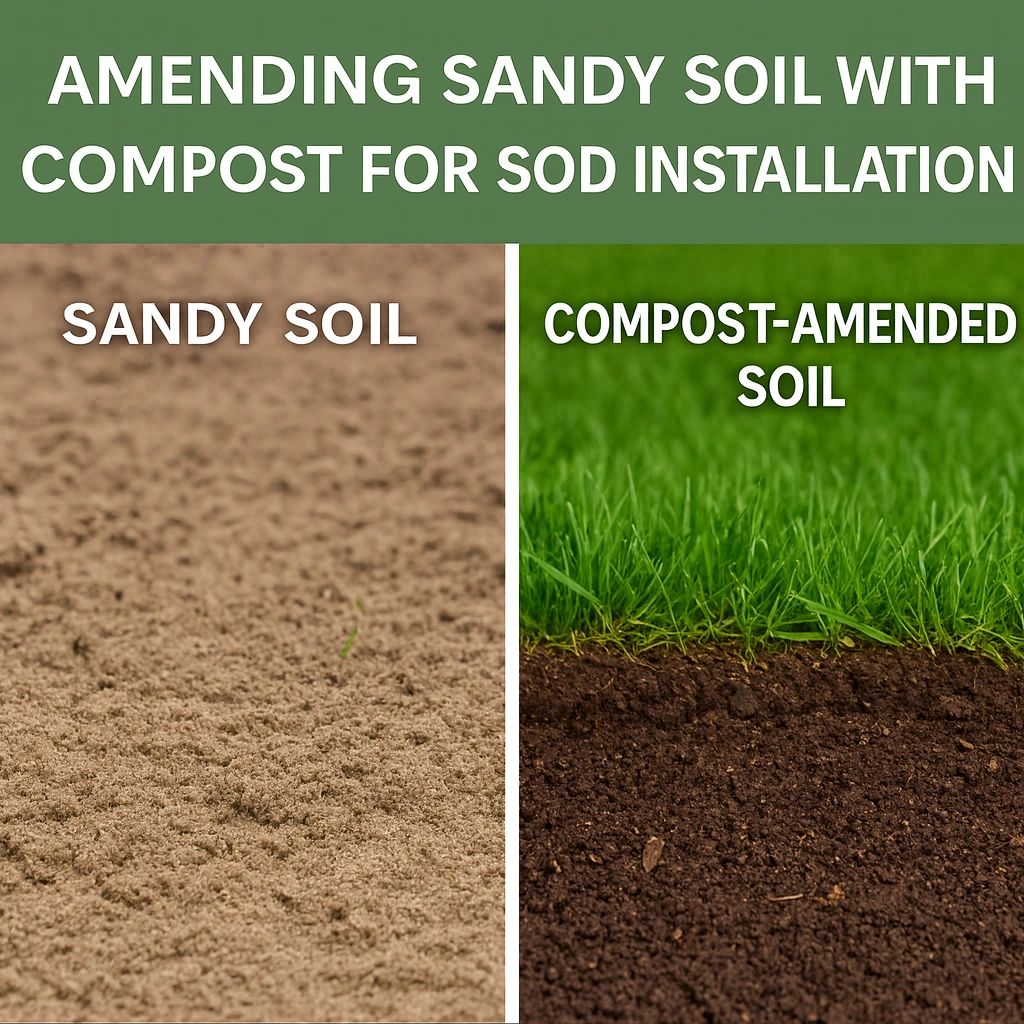
Amending Sandy Soil with Compost for Sod Installation CT, NY, MA
August 25, 2025
Best Drought-Tolerant Sod Varieties: Northeast Guide
April 30, 2026
Best Sod for Connecticut Lawns: Complete Regional Guide
April 28, 2026
Best Sod for Finger Lakes Properties: Regional Guide
April 29, 2026