

Homeowners and property managers across Connecticut, Massachusetts, Rhode Island, and Westchester County often ask: When is the ideal time to install sod for a new lawn? In the Northeast’s four-season climate, timing can make a big difference in how well your sod establishes. While you _can_ lay sod whenever the ground isn’t frozen, one season stands out above the rest. Fall — especially early fall (September through early October) — is widely considered the best time for sod installation in our region. In this long-form guide, we’ll explain in detail why autumn offers the most favorable conditions for sodding your lawn, how it compares to spring or summer plantings, and share expert tips for soil preparation and choosing the right sod. By the end, you’ll see why tackling that lawn project in the fall sets you up for turf success, and how CT Sod can help you every step of the way.
The Northeast Climate and Sod Timing
New England and the lower Hudson Valley (Westchester County) experience cold winters, warm summers, and variable springs and falls. This climate supports cool-season grass varieties (like Kentucky bluegrass and turf-type fescue), which thrive when temperatures are mild. In general, sod can be installed any time from spring through late fall as long as the soil isn’t frozen solid. However, planting during the peak of summer heat or the dead of winter presents challenges (excess stress in summer, dormancy in winter). Fall, and particularly early fall, hits a “Goldilocks” period of just-right conditions. The soil is warm from summer, the air is cool but not yet frigid, and the grass is entering an active growth phase. This makes early fall an optimal window to start a new lawn in Connecticut, MA, RI, or Westchester. Let’s break down the specific environmental factors that give fall-installed sod an edge.
Why Early Fall Is Ideal for Sod Installation
📷_ Fall provides excellent conditions for establishing new sod. Warm soil, cool air, and adequate moisture in September and October help fresh sod roots take hold quickly, resulting in a lush green lawn_.
Ideal Soil and Air Temperatures
Fall brings cooler air temperatures without immediately freezing the ground. By late August and September, the summer’s extreme heat has eased. Daytime highs in the early fall often hover in the 60°F to 75°F range, with cooler nights – truly “sweater weather” for grass. Your new sod won’t be getting scorched by 90°+ days, which greatly reduces heat stress on the turf. Meanwhile, the soil stays warm well into autumn (having absorbed summer heat). Warm soil is critical because it stimulates root growth. Grass roots grow best when soil is above roughly 50–55°F. In spring, the soil can be cold from winter, slowing root development, but in early fall the ground is at its warmest of the year. This combination – warm soil under cool, mild air – creates perfect conditions for sod to rapidly establish. There’s less risk of the sod “overheating” or drying out, and you won’t see the wilting or shock that often occurs if sod is laid during a hot spell.
Autumn Rainfall and Easier Watering
Another big advantage of fall is the rainfall pattern. Autumn in the Northeast typically brings a steady increase in rain after the drier late-summer months. September and October often have regular rain showers or at least more frequent, gentle rains compared to the pop-up thunderstorms of midsummer. Even morning dew tends to be heavier in fall, which continually adds moisture to the lawn. All of this means your new sod will receive natural irrigation, helping keep the turf moist during those critical first weeks. With cooler temperatures, moisture also doesn’t evaporate as quickly. Sod laid in early fall needs less manual watering than the same sod laid in July, because nature is lending a hand. You’ll likely still water your sod to ensure it stays consistently damp (especially if there’s an unusually dry fall week), but you won’t be battling scorching sun and evaporation. In short, fall’s moderate weather and periodic rain reduce the workload on your sprinklers and your water bill while giving the sod ample hydration to grow roots.
Reduced Weed and Pest Pressure
Establishing a new lawn often involves battling weeds. Here’s where fall shines again. Weed pressure is much lower in early fall than in spring or summer. Many aggressive lawn weeds (like crabgrass, dandelions, and summer annual weeds) complete their life cycles by late summer. They’re not germinating new seeds in the fall, and existing weeds are starting to die back. When you install sod in autumn, your fresh grass faces less competition from weeds for nutrients, water, and sunlight. The sod comes in as a thick mat that can outcompete any stray weeds that do try to pop up. By contrast, spring installations happen just as weed seeds are exploding to life, and summer installations often coincide with peak weed growth and crabgrass season. Additionally, many lawn pests and diseases that thrive in hot, humid conditions (fungal diseases, grubs, etc.) become far less active in the cooler fall. This gives your new sod a reprieve to get established without as many external threats. Fewer weeds and pests mean your sod can root and fill in without interference, resulting in a denser, healthier lawn by the time winter arrives.
Strong Root Establishment Before Winter
Perhaps the biggest reason fall is the top time to sod is what happens below ground: root growth. In cool-season turf grasses, root development is most vigorous during the fall months. As the grass blades experience cooler days, the plants channel energy into expanding their root systems. A new sod lawn generally needs about 2 weeks to begin knitting shallow roots into the soil, and around 4–6 weeks to establish a deep, resilient root system. Early fall conveniently offers plenty of time for this process. For example, sod laid in September might have 8–10 weeks of good growing conditions before the ground freezes. Those roots will penetrate deep into the warm soil, securing the sod in place and storing nutrients for winter. By the time the first hard frost arrives, your sod will be well-rooted and ready to go dormant. Then, when spring warmth returns, that sod instantly resumes growing from a strong root foundation. The result is a lush, established lawn by the time next summer rolls around. In essence, fall planting gives your sod two cool growing seasons (fall and the following spring) to mature before it ever faces a hot summer. This head start dramatically improves the lawn’s long-term success.
Fall vs. Spring vs. Summer: Seasonal Comparison
You might be wondering how fall installation compares to the other seasons. Spring is often considered the second-best time to lay sod in the Northeast, and many people also sod in summer out of necessity or construction timing. Let’s compare success rates, water requirements, and stress on the turf in each season:
Fall vs. Spring Sod Installation
Both spring and fall offer cool weather that favors sod establishment, but fall has a few key advantages. In spring (April or May in New England), temperatures are also mild and rains are frequent, which helps new sod. However, spring-started lawns will face summer heat sooner. A sod lawn installed in April may only have 2–3 months to root before the stress of high temperatures and potential drought hit in July. Early fall sod, on the other hand, won’t face truly hot weather until the _next_ summer (perhaps 9+ months later), after it has fully knit into the soil. This tends to give fall-laid sod a higher survival and success rate through its first year.
Another difference is soil temperature: after winter, spring soil warms slowly. Early spring sod might sit on chilly ground initially, whereas fall sod sits on summer-warmed earth that encourages rapid rooting. Weed competition is also much heavier in spring – as soon as you lay sod in April, every weed seed in the soil is germinating too. In September, weeds are minimal, so sod can establish with less interference. Both spring and fall usually have decent rainfall, though spring can occasionally be _too_ rainy (waterlogged soil can lead to disease or root rot if drainage is poor). Fall’s rains and cooler drying conditions are often more moderate. Overall, you can achieve a successful lawn in spring as well, but fall is slightly more “forgiving” and low-maintenance, often requiring less weed control and watering effort to get the same strong results.
Fall vs. Summer Sod Installation
Comparing fall to summer for sod installation truly highlights why waiting for autumn is worth it. Summer (particularly July and August) is generally the most challenging time to lay sod in the Northeast. The intense heat, strong sun, and occasional drought conditions of mid-summer put tremendous stress on new sod. Freshly laid sod in July can quickly dry out or overheat if not watered diligently multiple times per day. It’s easy to fall behind on watering during a heat wave, and once the sod gets too dry, sections can shrink or die before roots establish. You also may encounter issues like fungus (e.g. sod laid in humid 85–90°F weather is more prone to diseases like pythium or mildew) or pests like grubs that are active in summer soil. In contrast, fall sod needs far less irrigation – often just a good daily watering (or less if it rains) is enough, since cooler temperatures and shorter days keep evaporation low. The sod stays moist and happy. There’s also virtually no risk of heat dormancy or sun scorch in fall, whereas summer sod might even go dormant (turn brown) in extreme heat before it ever roots down.
From a success standpoint, a lawn installed at the tail end of summer can survive, but it demands constant attention and can be stressful for both the grass and the owner! By waiting until early fall, you set the stage for a much higher success rate with much less effort. The new sod will establish easily in the mild weather, and you won’t be tied to your hose quite as tightly. In fact, many professional landscapers deliberately avoid sodding in mid-summer unless a client insists or timing absolutely requires it. Fall truly removes most of the “hard mode” factors and replaces them with optimal conditions. The difference will show the next year: sod laid in fall often looks fantastic by spring, whereas sod laid in peak summer might limp along into fall if it struggled. The bottom line: If you have the flexibility, choose fall over summer for sod every time.
Expert Tips for Soil Prep and Sod Selection in the Fall
Once you’ve marked your calendar for a fall sod project, it’s time to make sure you do the installation right. Below are some expert tips to prepare your site properly and to select a sod variety that will thrive in Connecticut, Massachusetts, Rhode Island, and Westchester County.
Prepare Your Soil for Sod Success
A healthy lawn starts from the ground up. Proper soil preparation is crucial before that first roll of sod is laid out. Here are some preparation steps the pros recommend:
- Clear the Area: Remove any old grass, weeds, or debris from the area you plan to sod. This may involve using a sod cutter to take out existing turf or spraying and removing dead weeds. Starting with a bare, clean slate ensures nothing unwanted will grow up through your new sod and that the sod will be in direct contact with soil.
- Loosen and Grade the Soil: Once cleared, loosen the topsoil to a depth of a few inches. You can rototill lightly or use a steel rake to break up compacted soil. This creates a welcoming bed for new roots to penetrate. After loosening, grade the area smooth and slightly pitch the soil away from foundations for drainage. Rake out rocks and clumps. Aim for a level surface at the proper final height (accounting for the sod’s thickness). A well-graded site prevents water pooling and makes for a beautiful, even lawn.
- Improve Soil Quality (If Needed): Fall is a great time to amend your soil because the added organic matter will integrate over winter. Consider testing your soil’s pH and fertility. In New England, many soils are slightly acidic – if your soil test indicates a pH that’s too low or high, you can mix in lime (to raise pH) or sulfur (to lower pH) as recommended. Also work in compost or loam if the soil is very sandy or clay-heavy. Ensuring the soil has good nutrients and structure will help the sod roots establish vigorously.
- Apply Starter Fertilizer: Right before you lay the sod, you can lightly fertilize the prepared soil with a starter fertilizer (rich in phosphorus for rooting). This isn’t always required, especially if you added compost or your soil is already healthy, but it can give the grass a boost. Follow the product directions and don’t overdo it – more is not better. The idea is just to put a little extra nourishment in the root zone.
- Moisten Soil Before Laying Sod: Water the prepared area a day or a few hours before installation so that the soil is damp (not muddy) at the time of laying the sod. This provides immediate moisture for the sod strips as they are placed and helps them settle in. It also means you won’t have dry dirt sucking water away from the sod’s roots. Essentially, you’re creating a hospitable, hydrated bed for the new lawn.
Taking the time to prep the site properly in early fall will pay off with faster rooting and fewer headaches later. And remember: once the sod is laid, roll it with a lawn roller to ensure good contact between sod and soil (eliminating air pockets under the sod). This step helps roots knit into the soil more uniformly. Finally, water the sod thoroughly right after installation, and keep it consistently moist for the first couple of weeks. With cool fall weather, you won’t have to water as obsessively as in summer, but new sod still needs routine moisture until it roots. After about 2–3 weeks, you can start to ease off watering frequency as the sod establishes.
Selecting the Right Sod Type for Your New England Lawn
Not all grass is created equal, and choosing a sod variety suited to our Northeast climate and your specific property needs is important. In Connecticut, Massachusetts, Rhode Island, and nearby New York, cool-season grass sod is used for lawns. The two most popular sod types here are Kentucky Bluegrass and Turf-Type Tall Fescue, or a blend of the two. Each has its benefits:
- Kentucky Bluegrass Sod: Kentucky bluegrass (KBG) is the classic choice for lush New England lawns. It has fine-textured, soft blades that form a dense, carpet-like turf. Bluegrass loves our cool springs and falls and is very cold-hardy in winter, giving a beautiful green lawn during the growing seasons. If having a picture-perfect, uniform lawn is your top priority, a high-quality bluegrass sod will deliver that aesthetics. However, KBG does require a bit more care – it prefers full sun, needs regular watering (especially in summer, as pure bluegrass can go dormant and brown without irrigation in heat), and benefits from fertilization to stay at its best. Bluegrass also spreads by rhizomes, meaning it can self-repair small damaged spots over time. This sod is ideal for homeowners willing to water and maintain for that impeccable look, and for sunny yards with moderate foot traffic.
- Tall Fescue Sod: Turf-type tall fescue is another cool-season grass commonly grown as sod in our region. Tall fescue has a deeper root system than bluegrass, which makes it significantly more drought-tolerant and heat-tolerant. It stands up better to summer stress and can handle areas with partial shade or heavier use (kids, pets, etc.) more readily. Modern tall fescue varieties (often sold as “turf-type” or “dwarf” fescues) have a nicer texture than older pasture fescues – the blades are somewhat wider than bluegrass, giving a hearty feel, but still create a lush green lawn. Tall fescue sod is a great choice if you want a lower-maintenance lawn. It typically requires less watering and less fertilizer than a bluegrass lawn once established. It is also quite resistant to lawn diseases and pests, meaning fewer problems in the humid summer. The trade-off is that tall fescue doesn’t have the same self-spreading ability; it grows in clumps, so if a patch dies, you might need to re-sod or overseed that area (whereas bluegrass might creep back in). And while a fescue lawn looks thick and green, up close it isn’t as fine-bladed as bluegrass.
- Bluegrass/Fescue Mix Sod: Unsure which to pick? You don’t necessarily have to choose one or the other. Many sod farms (including CT Sod) offer blended sod that contains a mix of Kentucky bluegrass and tall fescue. These blends aim to capture the best of both worlds: the beauty and self-repairing nature of bluegrass combined with the toughness and drought tolerance of fescue. A bluegrass/fescue mix is often recommended for yards that have a mix of sun and shade or homeowners who want a bit more resilience without giving up all the fine texture. The fescue in the mix will help the lawn stay greener in summer and handle moderate shade, while the bluegrass will fill in any gaps and maintain a uniform look. For most typical home lawns in CT, MA, RI, or NY, a sun-and-shade mix sod can be an excellent all-around choice.
When selecting sod, consider your site conditions (sun exposure, irrigation availability, foot traffic) and how much maintenance you’re willing to do. If you have full sun and an irrigation system and love a manicured lawn, bluegrass could be your dream sod. If you have some shade or want to minimize watering, lean towards tall fescue or a mix. All of these cool-season sod types will establish beautifully in the fall. In fact, the fall season is gentle enough that even the thirstier bluegrass sod has an easier time getting started (since we’re not in the dog days of summer). If you’re not sure which sod variety is best for you, a sod supplier like CT Sod can offer guidance based on your lawn’s specific needs.
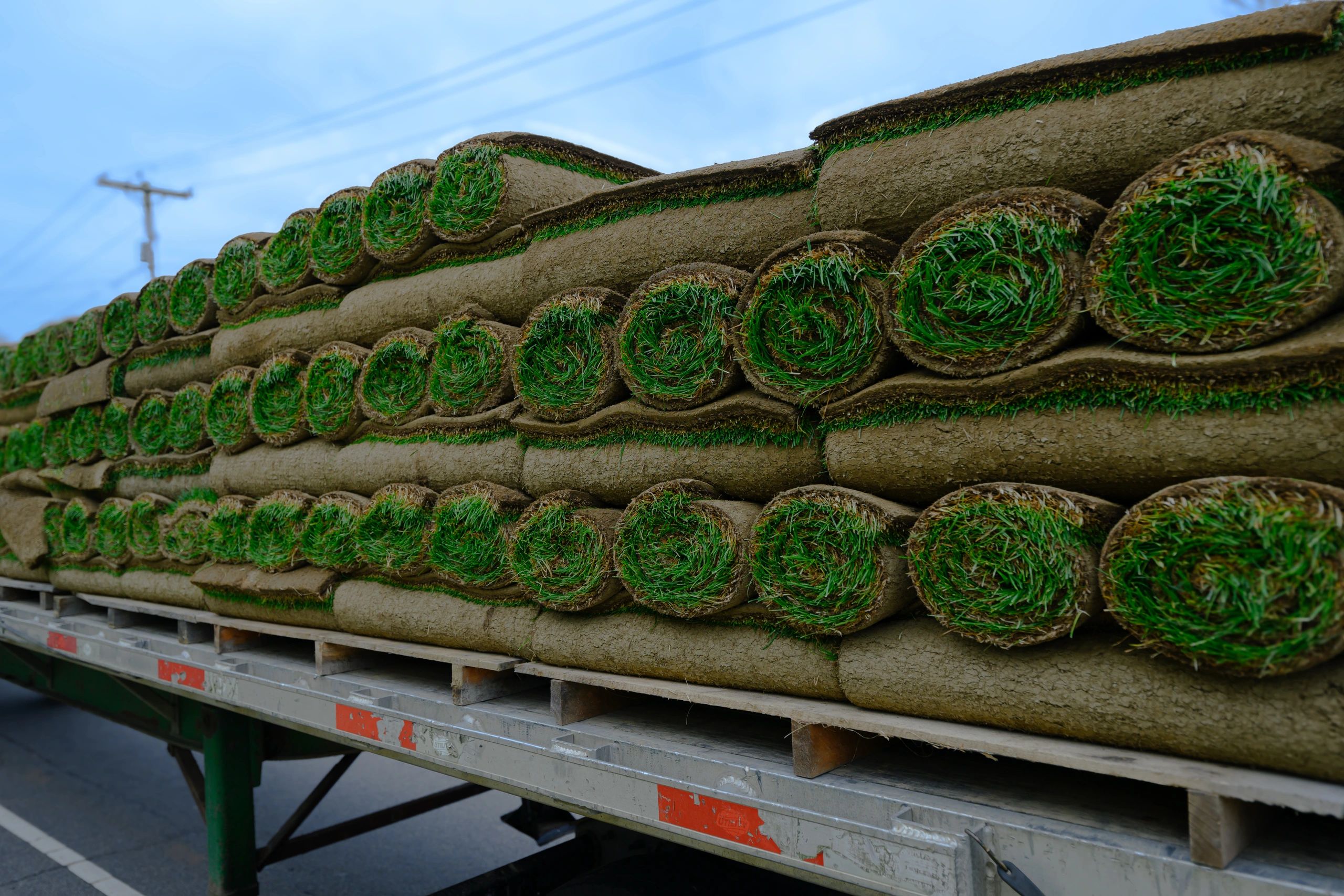
_Freshly harvested rolls of sod loaded for delivery. Choosing farm-fresh, high-quality sod and installing it at the right time (early fall) will ensure your new lawn in New England thrives from the start._
One final tip on sod selection: always purchase your sod from a reputable local supplier that cuts sod fresh for your order. In fall especially, sod farms are busy harvesting, and you want sod that is harvested and delivered promptly (not sitting on a pallet for days). Fresh sod will root faster and avoid problems. CT Sod, for example, delivers farm-cut sod (Kentucky bluegrass, tall fescue, or a mix) straight to your property and can install it the same day, guaranteeing freshness and minimizing transplant shock. By combining the right season (fall), good site prep, and the right sod choice, you’re setting your new lawn up for decades of health and beauty.
CT Sod: Your Partner for Fall Sod Installation in CT, MA, RI & Westchester
As you plan your sod project this fall, remember that you don’t have to do it alone. CT Sod offers both premium sod delivery and professional installation services throughout Connecticut, Massachusetts, Rhode Island, and Westchester County, NY. We are the region’s trusted experts in getting new lawns off to the best start – and fall is our favorite time of year to work our magic on your yard! Our team will help you choose the ideal sod variety for your property, ensure your soil is properly prepared, and handle the entire installation process from start to finish. With fresh-cut sod and efficient, skilled installers, you’ll be amazed at how quickly we can transform your landscape.
Don’t let the prime fall planting window slip away. If you’re ready for a verdant, thick lawn that will be the envy of the neighborhood by next spring, contact CT Sod today for a free quote or consultation. We’ll answer any questions you have and get you on the schedule for a fall sod installation. Take advantage of the cooler weather and superior growing conditions now – and by the time spring arrives, you’ll be enjoying a lush, established lawn with minimal fuss. Fall is the best time for sod, and now is the perfect time to get started. Reach out to CT Sod and let us help you make the most of this season for your new lawn.
Ready To Order?
Fresh-Cut Sod Delivered
CT Sod delivers Kentucky Bluegrass, Tall Fescue & RTF sod across CT, MA, NY, NJ, RI, NH, VT & ME.
Keep Reading
Amending Sandy Soil with Compost for Sod Installation CT, NY, MA
August 25, 2025
Best Drought-Tolerant Sod Varieties: Northeast Guide
April 30, 2026
Best Sod for Connecticut Lawns: Complete Regional Guide
April 28, 2026

Best Sod for Finger Lakes Properties: Regional Guide
April 29, 2026