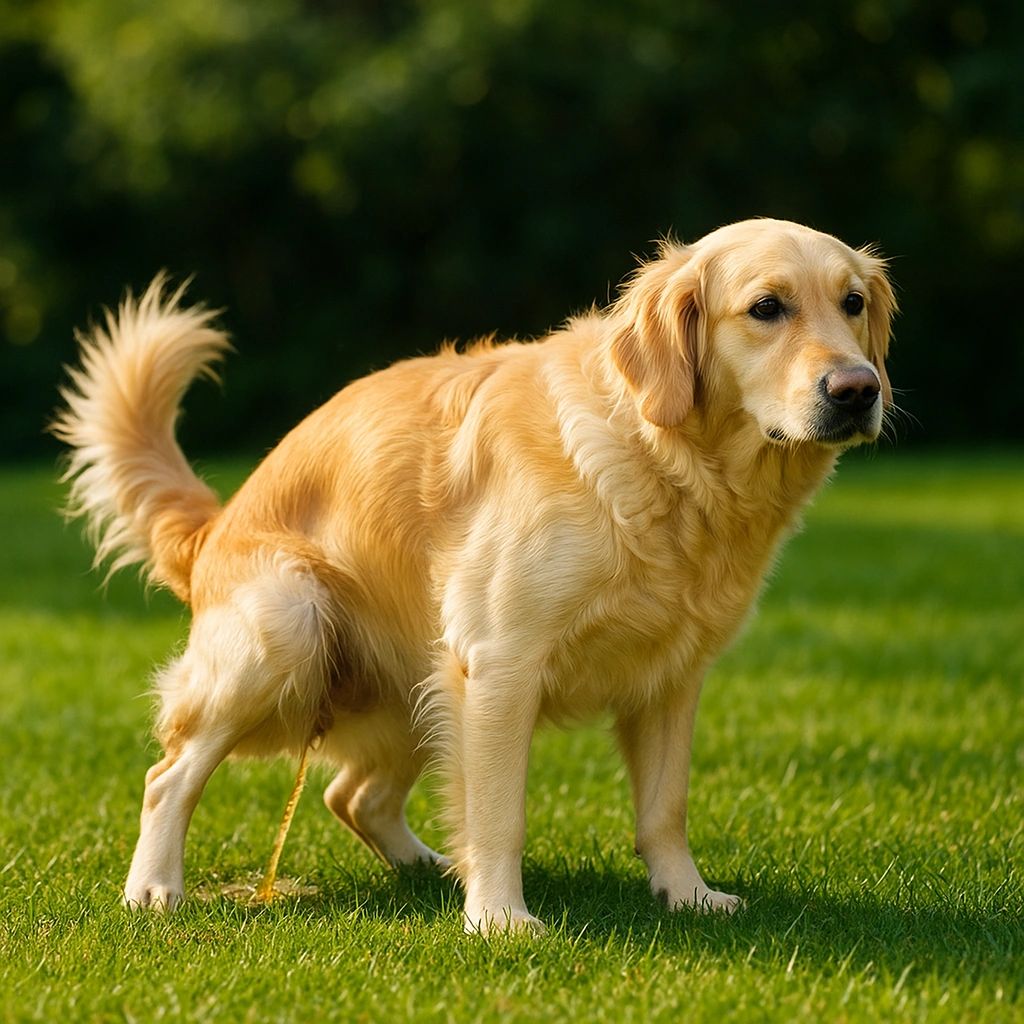

Dog Urine Damage on New Sod: Complete Prevention and Repair Guide for Northeast Lawns
A new sod lawn is one of the most satisfying investments a homeowner can make. The transformation is immediate, the curb appeal is undeniable, and a healthy lawn extends the usable footprint of the property in a way that few other landscape decisions can match. For dog owners, though, that satisfaction often comes with a familiar concern. Within weeks of installation, yellow rings, brown patches, and dead spots begin appearing exactly where the dog has been relieving itself. The lawn that was supposed to last for decades suddenly looks compromised, and the question becomes whether the problem is the sod, the dog, or something in between.
The honest answer is that none of the above is fully wrong. Dog urine damage on new sod is one of the most common turf issues homeowners face, and it's also one of the most misunderstood. The science behind why urine burns grass is well established. The prevention strategies that actually work are well documented. The repair protocols that restore damaged areas are straightforward when applied correctly. And the variety choices that determine whether a lawn shrugs off dog use or surrenders to it have been studied in real-world conditions for years.
This guide covers the full landscape — what's happening at the soil and tissue level, why some lawns handle dogs better than others, the prevention systems that actually move the needle, and the repair protocols that get damaged areas back to uniform turf. Where specific topics warrant their own deep-dive treatment, this article points to the relevant follow-up piece in our cluster.
Why Dog Urine Damages Grass
The mechanism of dog urine damage isn't complicated, but it's frequently described inaccurately. Understanding what's actually happening matters because most of the popular "solutions" target the wrong variable.
Dog urine contains nitrogen compounds — primarily urea — along with dissolved salts and a range of other metabolic byproducts. Nitrogen is the primary nutrient that drives green leaf growth in turfgrass, which is exactly why every lawn fertilizer on the market includes it. In small, distributed amounts, nitrogen is what keeps a lawn green and growing. The problem with dog urine isn't that it contains nitrogen. It's that it contains a concentrated dose of nitrogen and salts deposited into a single small area in a few seconds.
What grass experiences when a dog urinates on it is essentially the same thing that would happen if you dumped a tablespoon of granular fertilizer onto a four-inch circle of lawn and didn't water it in. The roots in that small zone are suddenly surrounded by an osmotic gradient they can't handle. Water moves out of the root tissue rather than into it. The grass in the immediate impact zone burns and dies. Meanwhile, the diluted edges of the urine spot — where the concentration is lower — receive what amounts to a mild fertilizer application, which is why classic dog spots often show a dead center surrounded by a ring of unusually dark green, vigorous grass.
This is the first important reframe: dog urine damage isn't a contamination problem. It's a concentration problem. The same nitrogen that kills grass at high concentration feeds it at low concentration. Every effective prevention strategy works by reducing concentration at the point of impact — either by diluting what's already there, by training the dog to deposit volume in places where damage doesn't matter, or by reducing how concentrated the urine is in the first place.
The second important reframe concerns sex and breed. The widely repeated claim that female dogs cause more lawn damage than males because they squat rather than mark is more folklore than science. The actual driver is volume per location. A large dog of either sex that fully empties its bladder in one spot deposits more nitrogen and salt in that location than a small dog or a dog that marks across multiple spots. Markers — typically male dogs distributing small volumes across many locations — actually cause less concentrated damage per spot, even though they may produce more total impact zones across the lawn. The dogs that produce the worst single-location burns are the ones that empty fully in one place, and those dogs come in both sexes.
Hydration matters separately. A well-hydrated dog produces more dilute urine, which contains the same total nitrogen across the day but deposits it at a lower concentration per event. This is one of the few interventions where the popular advice and the actual mechanism line up cleanly. Dogs with consistent access to fresh water and adequate hydration cause less concentrated damage than dogs that drink less.
The Variety Decision: The Single Biggest Lever You Have
Before getting into prevention and repair tactics, it's worth being clear about something most articles on this topic skip: the variety of grass you've installed is the largest single factor in how your lawn handles dog use. No prevention protocol, repair routine, or supplement compensates for the wrong variety. And the right variety dramatically reduces how often any of those interventions are needed.
For Northeast cool-season lawns with regular dog traffic, Rhizomatous Tall Fescue (RTF) has emerged as the strongest performer. RTF combines the deep root system and drought tolerance of traditional tall fescue with a self-repairing rhizome structure that allows the grass to fill in damaged areas from below the soil surface. When a dog burns a spot on a Kentucky bluegrass lawn, the burned area stays bare until the surrounding bluegrass slowly creeps in or until a homeowner manually reseeds. When a dog burns a spot on an RTF lawn, the rhizome network beneath the damaged area sends new shoots up through the burned zone within weeks. The lawn repairs itself, often without intervention.
This isn't a marginal difference in performance. It's a structural difference in how the lawn responds to the same insult. We've covered the variety selection question in depth in The Most Dog-Resistant Sod: Why RTF Is the Best for Dogs, which walks through why RTF outperforms other cool-season options for dog-heavy lawns and what makes the rhizomatous structure so well suited to high-traffic residential conditions.
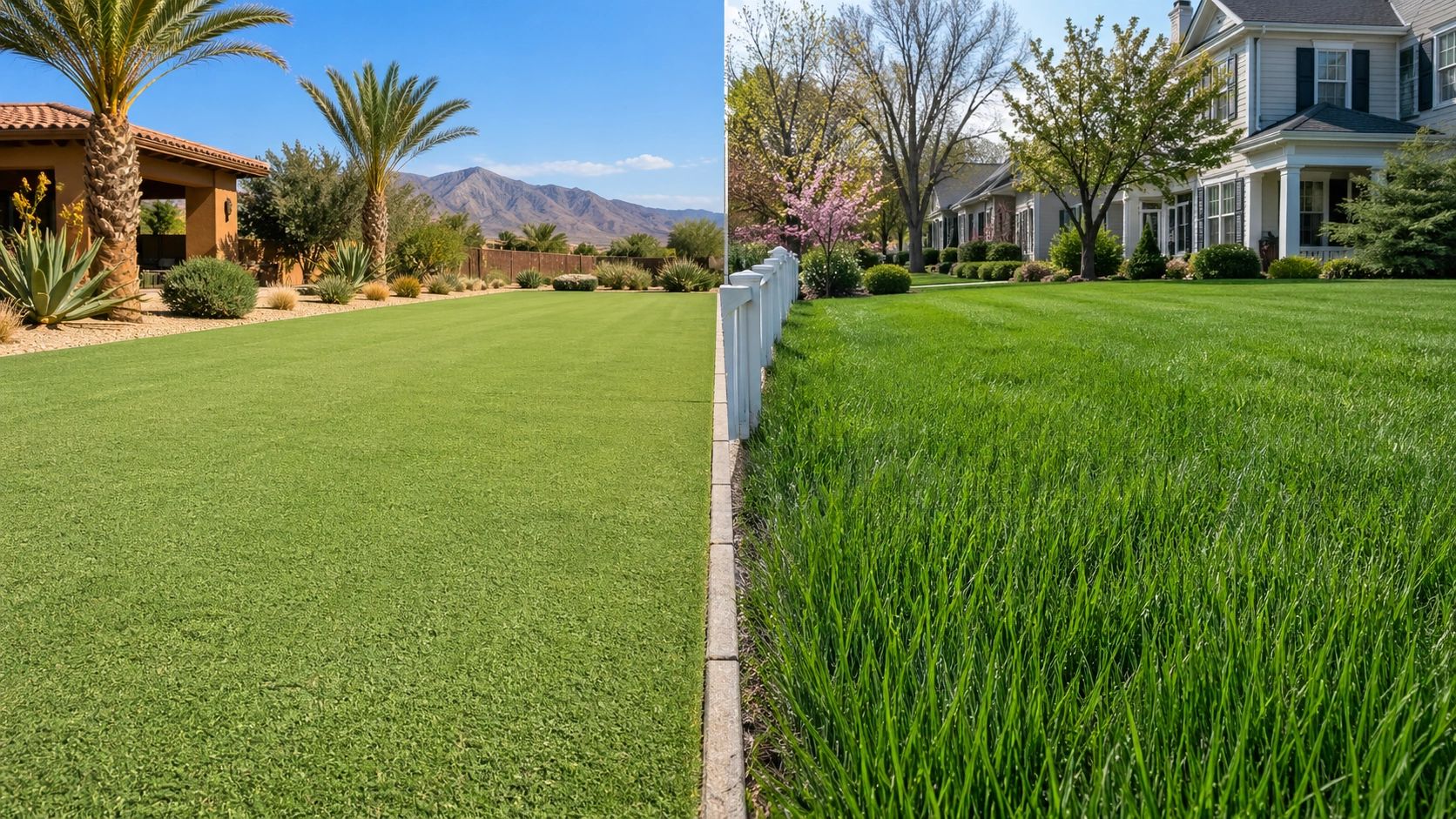
For homeowners weighing RTF against warm-season options like Bermudagrass — a comparison that comes up most often for clients in transition zones or those evaluating southern-style turf — we've also published Bermudagrass vs RTF Sod: Which Is Better for Dogs, which addresses the trade-offs directly. For Northeast cool-season climates, Bermudagrass is rarely the right answer regardless of dog considerations, but the comparison itself helps clarify why RTF is the strongest cool-season choice for dog owners.
If you're reading this guide because you've already installed sod and dog damage is appearing, the variety question is mostly retrospective. But it's worth knowing for two reasons. First, if your existing lawn isn't RTF, you'll need to be more aggressive with prevention and repair than an RTF lawn would require. Second, when you're planning a future install or replacing damaged sections, the variety decision is the single highest-leverage choice you'll make for long-term lawn performance with dogs.
Establishment: The Critical Window
The most damaging period for dog urine on new sod is the first six to eight weeks after installation, when the sod is still rooting into the underlying soil. During this window, the sod has limited recovery capacity and limited root depth, which means urine damage penetrates faster and persists longer than it would on established turf.
The standard recommendation to keep dogs off new sod for two to three weeks is too short for most installations. Two to three weeks is roughly when sod begins to root into the underlying soil, but it's not when the lawn has full root engagement. For light foot traffic, three to four weeks is reasonable. For dog use — especially repeated urination in the same areas — six weeks minimum is more realistic, and longer for heavy dogs or shoulder-season installations where root development runs slower in cooler soil temperatures.
This is one of the hardest parts of new sod installation for dog owners to accept, because most households can't realistically keep a dog off the entire yard for six weeks. The practical alternative is to designate a small portion of the property — ideally a mulched, graveled, or otherwise non-turf area — as the dog's bathroom zone during the establishment window. This protects the new sod during its most vulnerable period and starts building a habit that pays off long after the lawn is established.
Training a dog to use a designated potty area is one of the most effective long-term prevention strategies on a dog-friendly lawn, and it's one of the most underused. Most homeowners assume the training will be too difficult or that the dog won't cooperate. The reality is that consistent training over a few weeks works on most dogs, and the long-term payoff is substantial. We've covered the full training protocol — site selection, surface choice, command training, reinforcement schedule, common mistakes — in Train Your Dog to Use a Designated Potty Area: A Lawn Protection Guide. For homeowners with new sod or planning a future install, that piece is worth reading before the dog establishes habits across the entire lawn.
Prevention Strategies That Actually Work
Beyond variety selection and training, several prevention tactics genuinely move the needle on dog urine damage. Several others are widely recommended but mostly ineffective. It's worth being clear about which is which.
Immediate dilution. Hosing down the area within a few minutes of urination dilutes the nitrogen and salt concentration enough to prevent most burn damage. This is the single most effective short-term intervention available. The window matters: dilution within the first few minutes makes a real difference. Dilution an hour later does almost nothing — by that point the damage is already initiated at the cellular level. For homeowners who can be present when the dog goes out, immediate dilution is highly effective. For homeowners who can't, this strategy is less practical and other approaches matter more.
Hydration. Dogs with consistent access to fresh water produce more dilute urine. This isn't a complete solution, but it's a meaningful baseline. Multiple water sources around the home, particularly in warm weather and after exercise, support consistent hydration. Some dogs benefit from water bowl rotation or fountain-style bowls that encourage more drinking.
Designated potty areas. Training the dog to use a specific zone — whether mulched, graveled, or a corner of the yard sacrificed for this purpose — eliminates the problem at its source rather than treating its symptoms. This is the highest-leverage long-term prevention strategy beyond variety selection. The training piece linked above covers implementation in detail.
Diet adjustments. Dietary protein levels affect urine concentration. High-protein diets produce more concentrated urine; moderate-protein diets produce less concentrated urine. Any meaningful dietary changes should be made in consultation with a veterinarian, not based on lawn considerations. A dog's nutritional needs come first.
Supplements marketed to neutralize urine. This category warrants caution. Several supplements are marketed to homeowners with the claim that they reduce or eliminate lawn damage from dog urine. The evidence base for these products is inconsistent, and some have been associated with urinary tract issues including increased risk of crystals or stones. Veterinary consensus is generally skeptical, and some veterinarians actively recommend against routine use. If a supplement approach interests you, the conversation belongs with your veterinarian first, with full understanding of the trade-offs. The lawn is not worth a urinary tract problem.
Lawn applications and treatments. Various products are marketed to apply to the lawn itself to neutralize urine after the fact. Most function essentially as gypsum or similar soil amendments. They can have some effect on flushing salts from the soil after damage has occurred, but they aren't preventative in any meaningful sense — by the time you're applying them, the damage cycle has already started. They're better understood as repair aids than prevention tools.
Repair: Restoring Damaged Areas
When prevention falls short and visible damage develops, repair protocols can restore most affected areas to uniform turf. The approach varies based on damage severity, season, and the variety of grass involved.
Small spots, light damage. Areas where the grass is yellowing but not fully dead often recover on their own once the underlying soil is flushed of excess salts. Soak the affected area thoroughly — enough water to push the residual nitrogen and salts down past the root zone, typically several minutes of slow watering. On RTF lawns, the rhizome network frequently fills in lightly damaged areas without further intervention. On Kentucky bluegrass lawns, recovery is slower but still likely without active repair.
Moderate damage, dead centers. Areas with dead centers but living edges need active repair. Rake out the dead grass and any thatch buildup down to bare soil. Flush the soil thoroughly to remove residual nitrogen and salts. Apply a thin layer of fresh topsoil if the soil is compacted or depleted — for sandy soils, our guide to amending sandy soil with compost for sod installation covers the soil prep side in detail. Reseed with a variety matching the surrounding lawn or, for larger spots, cut a small piece of fresh sod and patch it in. Keep the patched area consistently moist for at least two weeks and protect it from foot traffic and dog access during that establishment period.
Soil chemistry concerns. Repeated urine impact in the same area can shift soil pH and affect long-term recovery. If you have specific zones that have absorbed years of dog use, the soil itself may need attention before new grass will establish reliably. Our complete guide to soil pH and sod covers what soil pH actually does, how to test it, and how to bring problem zones back into the optimal range for cool-season turf.
For a fully detailed walkthrough of the repair process — including timing, seed selection, sod patching technique, watering protocols, and how to match repaired areas to surrounding turf so the patches don't remain visible — we've published How to Repair Dog Urine Spots in Cool-Season Grass, which walks through the full protocol step by step.
Seasonal considerations. Repair work is most successful during the active growing season for cool-season grasses, which in the Northeast means spring and especially fall. Summer repairs are possible but harder — heat stress, soil moisture variability, and slower establishment all work against new seed or patched sod. Fall repairs typically establish best because cool soil temperatures and consistent moisture support strong root development before winter dormancy. If damage develops mid-summer and isn't urgent, deferring repair to early fall often produces better long-term results than attempting repair during peak heat.
The Long View: Building a Lawn That Lives With Dogs
A few patterns are worth holding onto.
Dog urine damage is a concentration problem, not a contamination problem. The same nitrogen that kills grass at high concentration feeds it at low concentration. Every effective intervention works by reducing concentration somewhere in the chain — at the point of impact, in the soil, or in the dog's urine itself.
Variety selection is the single highest-leverage decision. RTF outperforms other cool-season options for dog-heavy lawns by a meaningful margin, and the difference compounds over years of use. Homeowners with non-RTF lawns can manage dog damage through aggressive prevention and repair, but they're working against the variety rather than with it.
The first six to eight weeks after installation are the most vulnerable. Designating a non-turf bathroom zone during establishment protects the lawn through its most fragile window and starts building habits that pay off long after the sod is established.
Training is more achievable than most homeowners assume. The long-term payoff of a designated potty area dwarfs the short-term effort of training, and most dogs adapt within a few weeks of consistent reinforcement.
Supplements and miracle cures are mostly noise. The interventions that work — variety selection, training, immediate dilution, soil management, repair protocols — are unglamorous, well documented, and effective. The interventions that promise easy fixes through diet additives or spray-on products generally underperform their marketing.
A healthy lawn and a happy dog are entirely compatible. They just require treating the lawn and the dog as a system rather than as opposing forces. With the right variety, the right prevention systems, and the right repair protocols when damage develops, a sod lawn can absorb years of dog use without surrendering to it.
Based on more than 30 years of hands-on sod, soil, and landscape experience across the Northeast.
Ready To Order?
Fresh-Cut Sod Delivered
CT Sod delivers Kentucky Bluegrass, Tall Fescue & RTF sod across CT, MA, NY, NJ, RI, NH, VT & ME.
Keep Reading
April Lawn Care Tips for a Lush New England Yard
April 1, 2025
Bermudagrass vs RTF Sod: Which Is Better for Dogs?
April 26, 2026

Best Sod for Full Sun:What to Use When Your Yard Gets All-Day Sun
April 6, 2026
Best Sod Options for Shady Lawns in Massachusetts
August 24, 2025