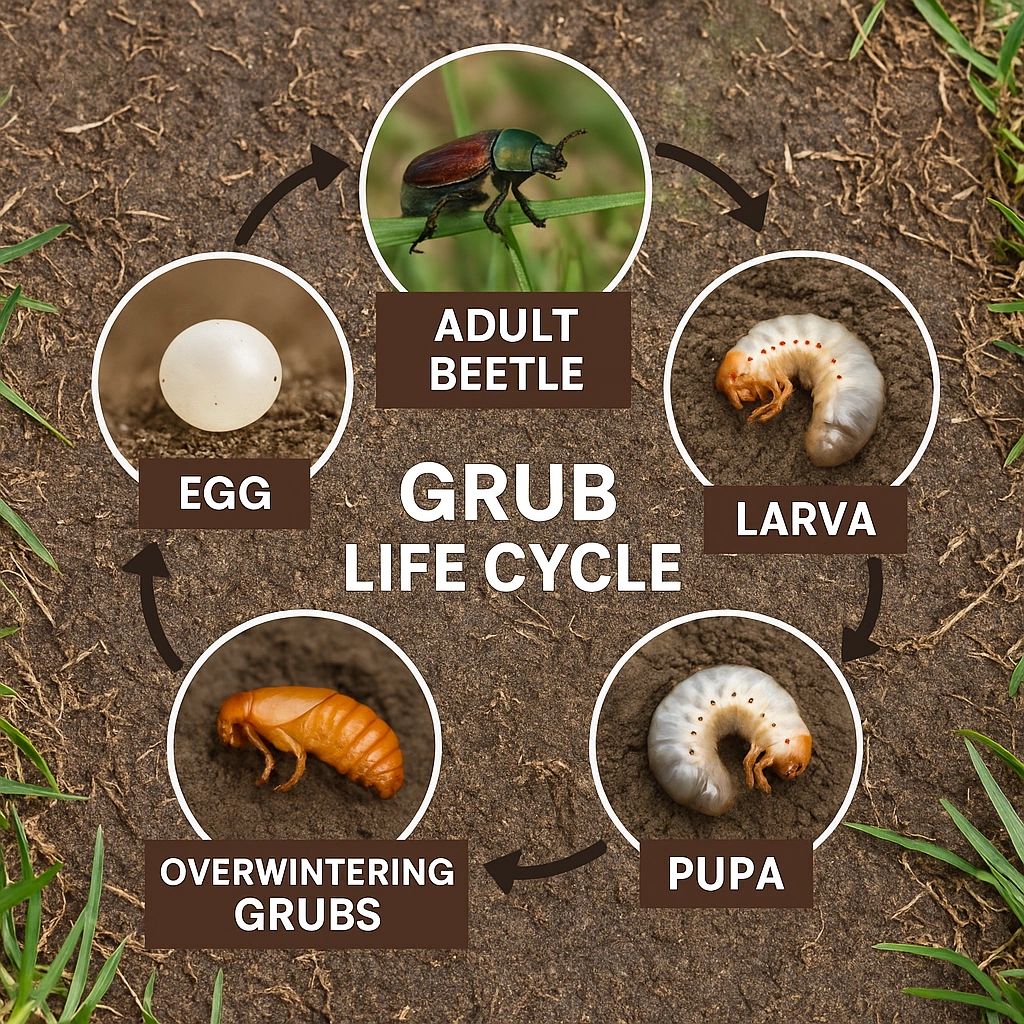
Grubs are one of the most destructive lawn pests in the Northeast. These tiny white, C-shaped larvae live underground and feed on grassroots, which can quickly undo the investment you’ve made in your new sod.
At CT Sod, we not only deliver fresh sod pallets across Connecticut, Massachusetts, New York, and Rhode Island, but we also want your lawn to stay healthy long after installation. Here’s an in-depth guide to grub prevention and treatment for new sod.
Why Grubs Are a Threat to Sod
Fresh sod has shallow roots during its first few weeks. This is exactly when grub damage can be most devastating — because they eat the very roots your sod needs to establish. If the infestation is severe enough, sections of sod may never knit into the soil.
That’s why understanding the grub life cycle and applying treatments at the right time is essential.
How CT Sod Sells and Delivers Fresh Sod Pallets
At CT Sod, we sell sod by the pallet, with each pallet containing about 500 square feet of grass (100 pieces at 2’ x 5’ each). Pallets weigh roughly 1,000 pounds and are delivered direct to your home or job site on a forklift-equipped truck.
- Fresh Cut to Order – Our sod is harvested from the farm the same day it’s shipped.
- Service Areas – We deliver sod pallets throughout Fairfield County, Hartford County, New Haven County, Boston suburbs, Westchester NY, Long Island, and Rhode Island.
- Easy Delivery – Forklift drop-off ensures pallets are placed exactly where you need them, whether driveway, curbside, or job site staging area.
When sod arrives this fresh, it establishes quickly and is less vulnerable to pests like grubs.
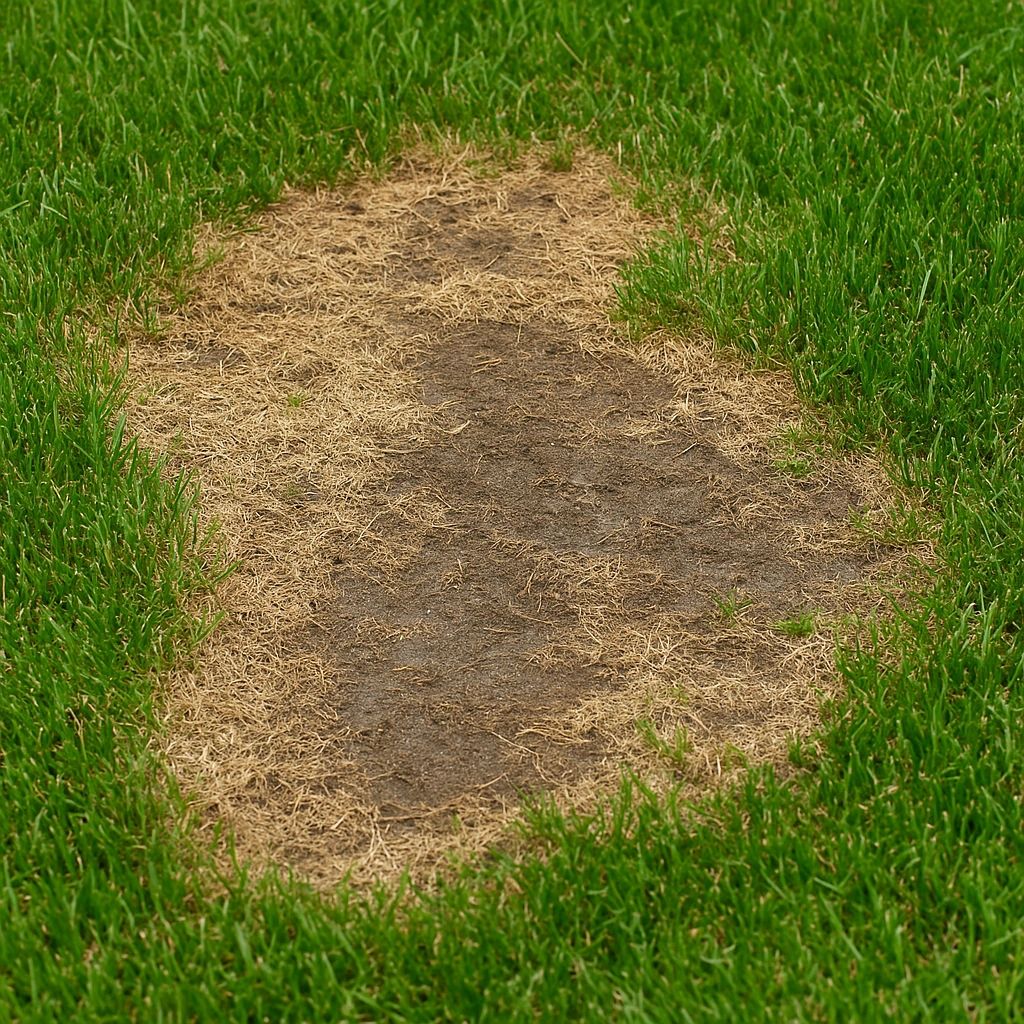 How Lawn Damage From Grubs Looks
Grub Life Cycle in the Northeast
1. June–July – Adult beetles (Japanese beetles, June beetles, European chafers) lay eggs in lawns. 2. Late July–September – Eggs hatch into grubs, which immediately begin feeding on grassroots. 3. Fall – Grubs burrow deeper into soil as temperatures cool. 4. Winter – They overwinter underground, below the frost line. 5. Spring – They resurface briefly to feed before pupating into beetles, starting the cycle again.
👉 The most effective grub control window is mid-summer through early fall (July–September), when grubs are young and closest to the soil surface.
Best Practices for Preventing Grubs in Sod
1. Install Fresh Sod Quickly
Healthy sod that’s installed immediately (see our sod installation guide) puts down roots fast, making it harder for grubs to damage.
2. Keep Sod Well-Watered
Follow proper watering schedules to encourage deep root growth. Stressed sod is more susceptible to pest damage.
3. Fertilize for Strength
Balanced nutrients help sod knit tightly into the soil, reducing its vulnerability to grub feeding.
Best Treatment Options for Grubs
Preventative Treatments
(Best Choice)
- When to Apply: Mid-June through mid-July.
- Products: Active ingredients like imidacloprid or chlorantraniliprole stop grub eggs from developing.
- Benefit: Protects your sod before grubs ever hatch.
(For Active Grub Problems)
- When to Apply: Late summer or early fall, if you confirm grub activity.
- Products: Fast-acting actives like carbaryl or trichlorfon kill existing grubs.
- Limitation: Short window of effectiveness; works best on young grubs.
- Beneficial Nematodes: Microscopic organisms that attack grubs underground.
- Milky Spore: Bacterial treatment effective against Japanese beetle grubs.
- Cultural Practices: Aeration, overseeding, and balanced fertilization all help lawns recover from stress.
- Sod pulls up like a carpet with no roots.
- Birds, skunks, or raccoons are digging at the lawn.
- Brown, irregular patches despite proper watering.
- Finding 6–10 grubs per square foot under the sod when lifted.
Grub problems vary by location, but CT Sod delivers sod to homeowners and landscapers across the Northeast, where Japanese beetles and June beetles are common:
- Connecticut Sod Delivery: Fairfield, Hartford, New Haven, Stamford, Greenwich, New Canaan.
- Massachusetts Sod Delivery: Newton, Brookline, Wellesley, Weston, Boston suburbs.
- New York Sod Delivery: Westchester, Long Island, Montauk, the Hamptons.
- Rhode Island Sod Delivery: Providence, Newport, coastal communities.
FAQ: Grubs in Sod
Q: Does sod from CT Sod come with grubs?
A: No. Our sod is cut fresh from the farm and delivered grub-free.
Q: Should I apply grub control before laying sod?
A: Not necessary. Sod is pest-free at delivery. Preventative treatments later in the season are more effective.
Q: What if I already see grub damage in my new sod?
A: Apply a curative grub treatment immediately and adjust watering/fertilizing to help the sod recover.
Q: Can sod survive a grub problem?
A: Yes, if caught early and treated correctly. Healthy, well-established sod is resilient.
✅ At CT Sod, we don’t just deliver pallets of fresh, farm-cut sod — we also provide the knowledge you need to protect your investment. Whether you’re in Connecticut, Massachusetts, New York, or Rhode Island, we’re here to help you grow a lawn that lasts.
👉 Get a free sod installation quote today.
Ready To Order?
Fresh-Cut Sod Delivered
CT Sod delivers Kentucky Bluegrass, Tall Fescue & RTF sod across CT, MA, NY, NJ, RI, NH, VT & ME.
Keep Reading
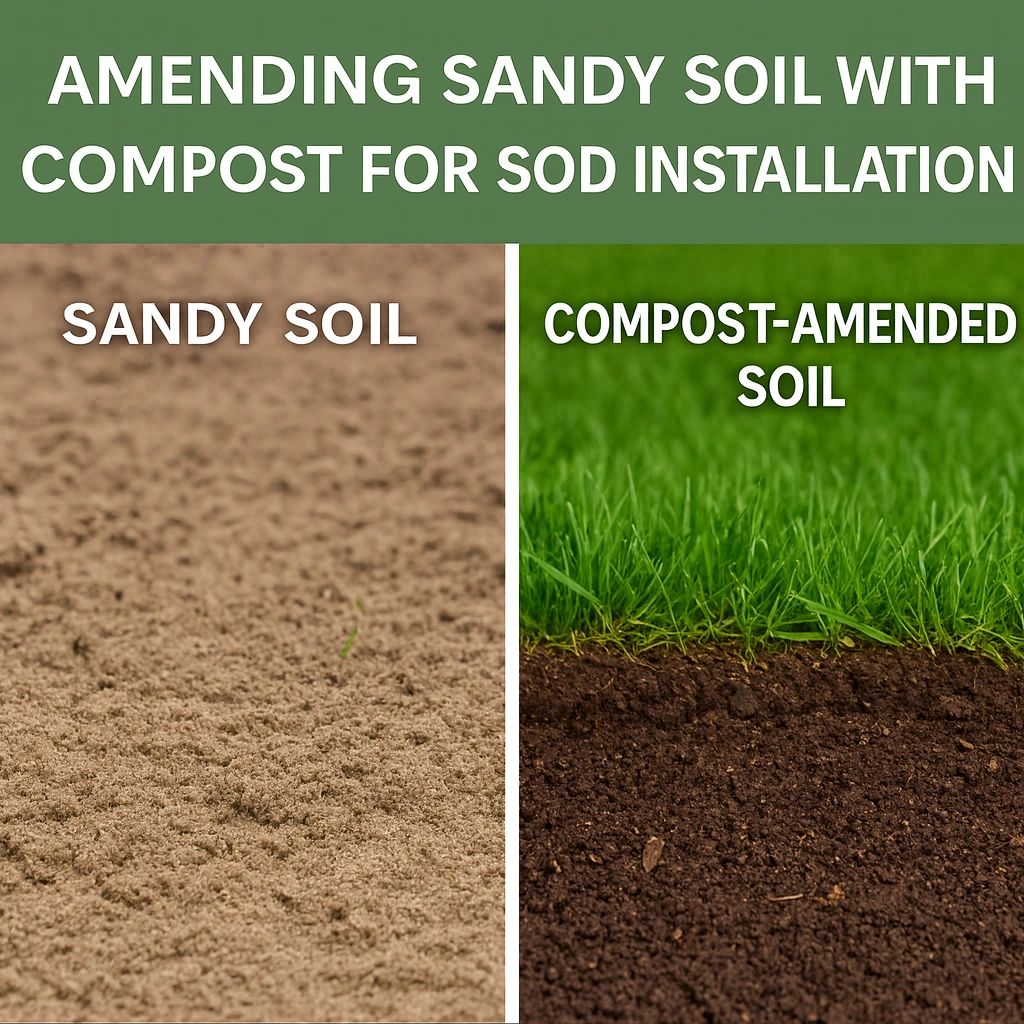
Amending Sandy Soil with Compost for Sod Installation CT, NY, MA
August 25, 2025

Best Drought-Tolerant Sod Varieties: Northeast Guide
April 30, 2026

Best Sod for Connecticut Lawns: Complete Regional Guide
April 28, 2026

Best Sod for Finger Lakes Properties: Regional Guide
April 29, 2026