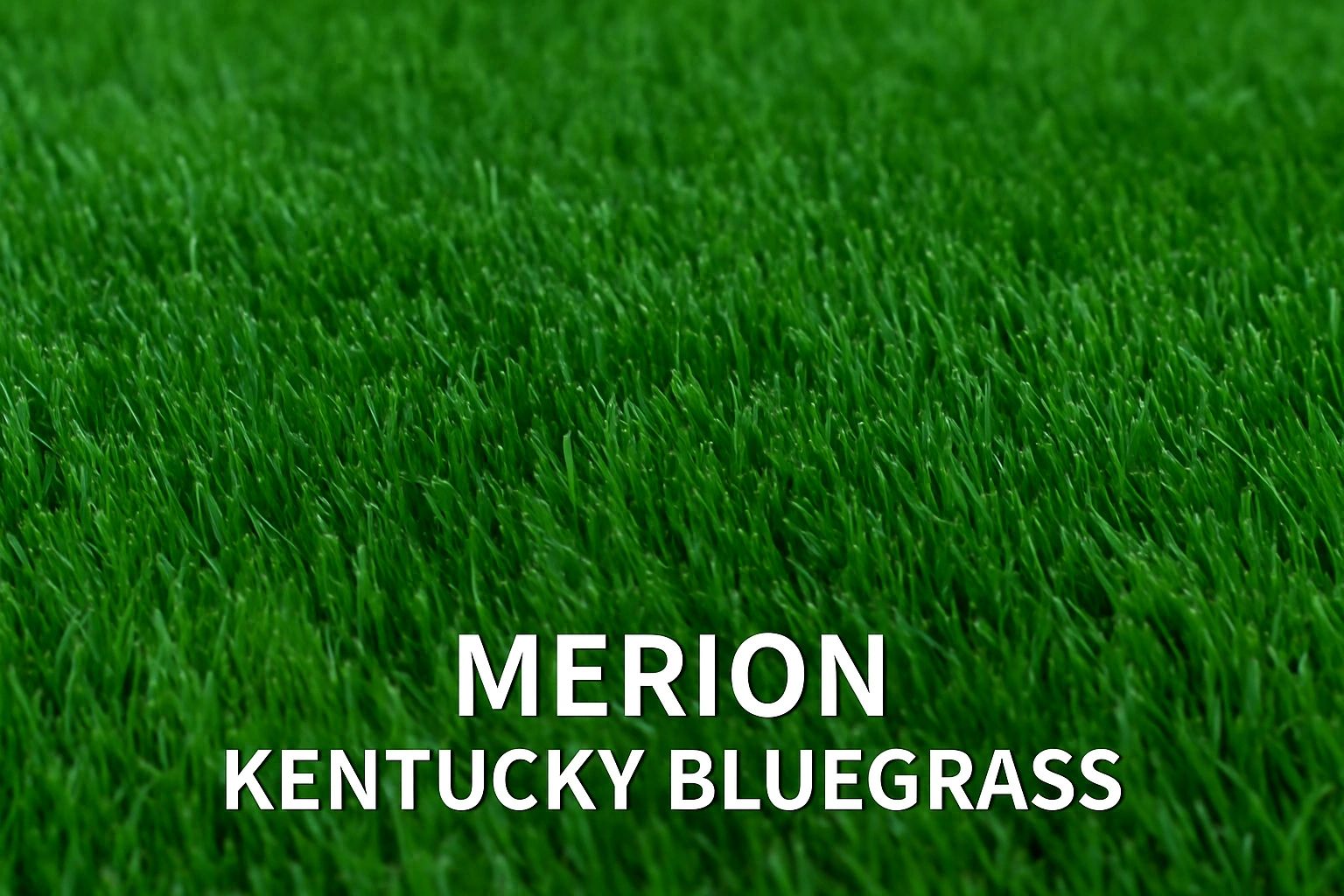
Merion Kentucky Bluegrass (Poa pratensis ‘Merion’) — A Historical Deep Dive
Executive Summary
Merion Kentucky bluegrass—released in the late 1940s after being discovered on fairways at Merion Golf Club—was the first truly “improved” Kentucky bluegrass. It set the template for dense, dark-green, close-mowable cool-season turf, dominated lawns and golf courses for ~25 years, and jump-started modern turfgrass breeding. Merion’s strengths were density, low growth habit, and resistance to the devastating leaf-spot/melting-out complex. Its weaknesses—susceptibility to stripe smut and other diseases in monoculture, heavy nitrogen demand, thatch formation, and the arrival of superior cultivars—led to its decline by the late 1970s. Its legacy is foundational: virtually every modern bluegrass blend traces conceptual lineage to Merion.
For broader context on the species, see: Kentucky Bluegrass Guide to Varieties, Sod, and Turf Performance
https://ctsod.com/everything-sod-blog/f/kentucky-bluegrass-guide-to-varieties-sod-and-turf-performance
For the cultural backstory of how bluegrass took over American lawns, see: From Pasture to Lawn: The Origin and Rise of Kentucky Bluegrass
https://ctsod.com/everything-sod-blog/f/from-pasture-to-lawn-the-origin-and-rise-of-kentucky-bluegrass
Discovery and Release Timeline (1930s–1947)
- Field discovery: In the 1930s, a distinctive patch of Kentucky bluegrass on the Merion Golf Club fairways (Ardmore, PA) stayed denser, greener, and healthier under close mowing than surrounding turf.
- Selection & testing: Clonal plugs were sent to researchers and grown out as an elite selection (historically labeled B-27). Multi-site trials through the 1940s repeatedly outperformed “common” bluegrass.
- Public release (1947): The selection was formally released to the trade as ‘Merion’, the first named Kentucky bluegrass variety. This marks the start of the modern cultivar era for cool-season lawn grasses.
- Why it mattered: Until Merion, most lawns used heterogeneous “common” bluegrass seed. Merion delivered uniform genetics and a repeatable performance profile at scale.
- Species: Poa pratensis (Kentucky bluegrass), a cool-season, rhizomatous perennial.
- Reproduction: Largely apomictic (asexual seed formation), allowing a named clone to be maintained from seed lots with high fidelity compared to common types.
- Morphology: Fine to medium-fine leaf width, prostrate/low growth habit, abundant rhizomes, and a characteristically dark green canopy.
- Sod-forming tendency: Strong rhizomes knit a cohesive mat—excellent for sod harvest strength and for self-repair.
1) Aesthetics & Canopy Architecture
- Color: Darker green than common bluegrass of the era.
- Texture: Fine, uniform blades produce a “carpeted” look.
- Density: High tiller density; rapid lateral fill via rhizomes.
- Thatched sward risk: With heavy fertility/irrigation, Merion readily accumulates thatch—an expected tradeoff of its vigor.
- Low-mow tolerance: Maintains quality at lower heights (fairway ranges) compared with common strains of the 1930s–40s.
- Surface smoothness: Dense, prostrate habit improves ball-roll on fairways and visual uniformity on high-end lawns.
- Scalping resistance: Better than unimproved types; still benefits from sharp reels/rotaries and proper HOC calibration.
- Nitrogen: Historically labeled a “luxury consumer”—responds dramatically to adequate N with superior color and density.
- Phosphorus & potassium: Standard cool-season turf sufficiency ranges apply; Merion’s standout gains primarily trace to N.
- Iron: Foliar Fe can deepen color but does not replace N in Merion’s growth/color response.
- Rooting: Capable of reasonably deep rooting under correct cultural practices.
- Drought behavior: Moderate drought endurance for KBG; can enter dormancy yet recover from crowns/rhizomes when moisture returns.
- Heat: Better summer persistence than pre-Merion “common,” but still a cool-season species—heat waves raise stress risk.
- Shade: Tolerates light shade; dense leaf area can predispose to mildew in still, humid microclimates.
- Traffic: Good for a cool-season rhizomatous grass; self-repair via rhizomes outperforms bunch-type species.
- Sod production: High rhizome density → tough, cohesive sod with less breakage at harvest/laying—one reason farms adopted it widely in the 1950s–60s.
Strengths
- Leaf spot / melting-out complex: Merion’s defining early advantage was strong field resistance, especially under close mowing and higher N—precisely where common bluegrass failed.
- Stripe smut (Ustilago striiformis): Systemic infections in mature Merion stands could thin or devastate monocultures.
- Powdery mildew: Favored by shade + poor air movement; visible on leaf surfaces in cool, humid periods.
- Rusts (various Puccinia spp.): Episodic; increased under stress or low nitrogen.
- Soilborne crown/root diseases (e.g., necrotic ring spot, later “summer patch” complex): Became more prominent industry-wide in the 1970s; Merion monocultures proved as vulnerable as peers.
Where Merion Excelled (1950s–1970s)
Golf Courses
- Fairways & tees: Low-mow tolerance and density produced smooth, fast surfaces across northern courses.
- Adoption: Rapid, especially on elite courses seeking a uniform, leaf-spot-resistant fairway grass.
- Suburban boom: Merion became the aspirational lawn—dark, dense, and “country-club” in look.
- Seed trade: Large-scale seed production enabled national distribution; demand often exceeded supply in early years.
- Wear + recovery: Rhizomes helped repair divots and thin spots; used in blends for municipal and scholastic fields.
- Field performance: Cohesive mats, fewer tears at harvest, good transplant success → Merion-heavy sod became a premium product through the 1960s.
Merion’s headline quality came with input intensity.
- Mowing:
- High-end lawns: ~1.0–2.0” (reel or sharp rotary).
- Fairways/tees: lower HOC feasible with appropriate equipment and growth control.
- Nitrogen:
- Historically 3–5+ lbs N/1,000 ft²/year were common on premium Merion turf (split over growing months).
- Watch for thatch; pair N with periodic mechanical thatch control.
- Irrigation:
- Deep, infrequent cycles to push rooting; avoid nightly syringing that favors mildew.
- Thatch management:
- Power-rake/verticut as needed; adjust N/irrigation to limit excessive top growth.
- Integrated disease strategy:
- Air movement, balanced fertility, preventive fungicides in high-pressure windows (historical golf use), and—critically—cultivar diversification.
1. Monoculture disease risk Stripe smut and episodic rust/mildew events exposed the hazard of planting one genotype wall-to-wall. As fields aged, uniform susceptibility amplified losses. 1. High maintenance demands The very traits that made Merion brilliant (dense, dark, vigorous) demanded high nitrogen and careful thatch control—costly for homeowners and labor-intensive for crews. 1. Rise of improved cultivars The Merion era catalyzed intensive breeding. By the late 1970s–80s, dozens of named bluegrasses offered equal or better color, improved summer survival, lower input needs, and broader disease packages. Seed and sod markets shifted to blends and to cultivars selected for regional disease/stress profiles.
Merion’s Legacy
- Proof of concept: Demonstrated that selected genetics transform turf performance versus “common” seed.
- Benchmark traits: Low growth habit, dark color, close-mow tolerance, and leaf-spot resistance became baseline targets for subsequent breeding.
- Modern practice: Today’s Kentucky bluegrass recommendations emphasize multi-cultivar blends—a direct response to the Merion-monoculture lesson.
- Cultural narrative: Merion helped define the American expectation for what a “premium lawn” looks like in cool-season regions.
- Historical restorations aiming to mirror mid-century golf/lawn aesthetics.
- Specialty collectors/heritage turf plots.
- Educational trials demonstrating cultivar evolution.
Sod Installation Guide — https://ctsod.com/sod-installation-guide
Sod Installation in CT, MA & NY — https://ctsod.com/sod-installation-ct-ma-ny
Pallet Delivery & Logistics — https://ctsod.com/sod-pallet-delivery
Quick Reference: Merion vs. Modern Bluegrass Blends (Historical framing)
- Color & density: Merion set the standard; top modern blends match or exceed it with finer texture.
- Inputs: Merion typically needs more N and more thatch control; modern blends are bred for quality at lower inputs.
- Disease: Merion strong vs. leaf spot; weak vs. stripe smut & some root diseases. Modern blends distribute risk across cultivars with broader resistance packages.
- Use today: Merion is a historical cultivar; modern high-end lawns, golf, and sports fields overwhelmingly use curated blends.
- Kentucky Bluegrass Guide to Varieties, Sod, and Turf Performance
- From Pasture to Lawn: The Origin and Rise of Kentucky Bluegrass
Ready To Order?
Fresh-Cut Sod Delivered
CT Sod delivers Kentucky Bluegrass, Tall Fescue & RTF sod across CT, MA, NY, NJ, RI, NH, VT & ME.
Keep Reading
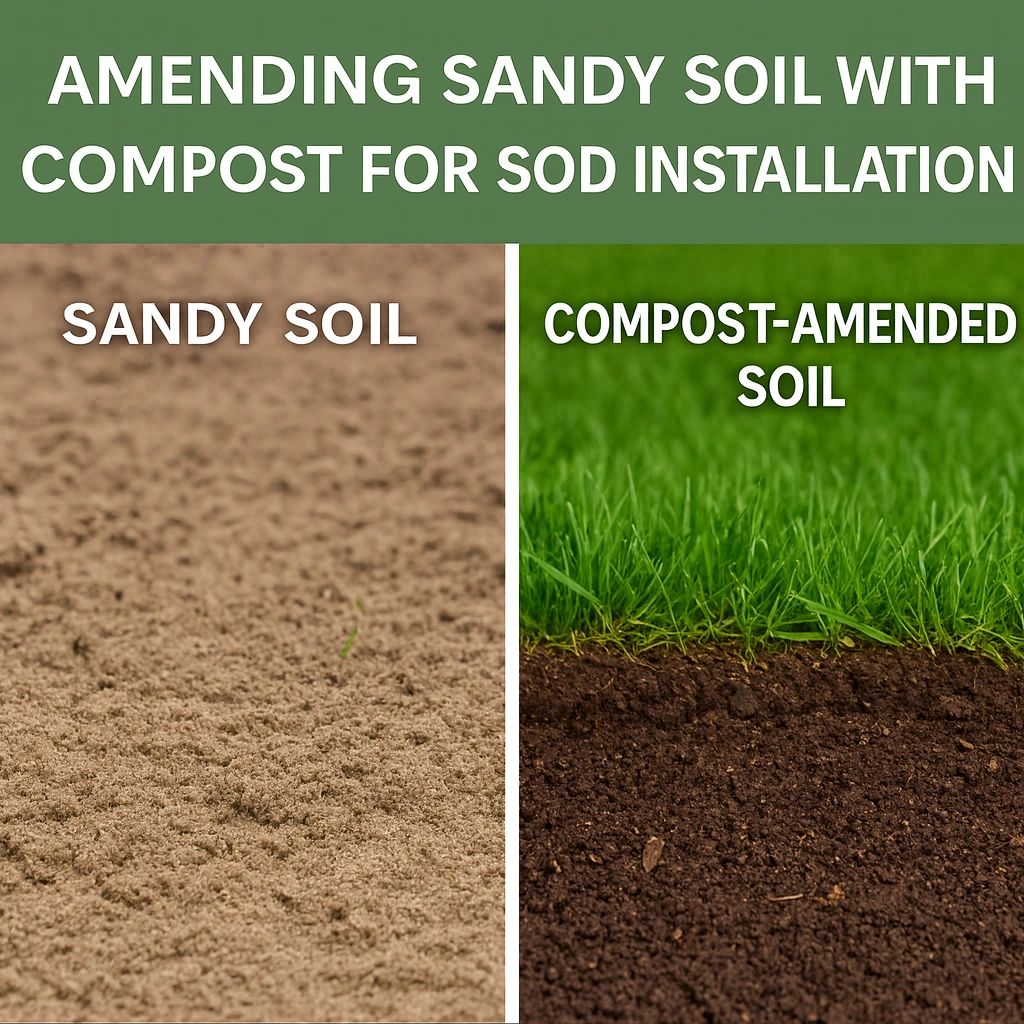
Amending Sandy Soil with Compost for Sod Installation CT, NY, MA
August 25, 2025
Best Drought-Tolerant Sod Varieties: Northeast Guide
April 30, 2026
Best Sod for Connecticut Lawns: Complete Regional Guide
April 28, 2026

Best Sod for Finger Lakes Properties: Regional Guide
April 29, 2026